Lower body days usually feel easier when you already have a routine. Upper body days can become more random: a few push-ups, some curls, maybe shoulders if you remember. A clear upper body workout plan fixes that by giving your chest, back, shoulders, and arms the same structure as your lower-body work.
In this blog, we’ll build a simple at-home plan using bodyweight, bands, and light dumbbells, then show how it can work alongside your lower body routine without making your week feel complicated.
What an At-Home Upper Body Workout Should Include
A balanced upper body workout plan does not need a room full of machines. It just needs the right movement categories, so every major area gets attention.
A strong at-home routine should include:
- A push movement for the chest, shoulders, and triceps.
- A pull movement for the back and biceps.
- A shoulder-focused move for stability, control, and posture.
- An arm finisher, if biceps or triceps are a goal.
- A core or posture move to help support better form.
When those pieces are in place, your upper body workout feels more balanced, easier to follow, and much easier to repeat consistently.
Simple Push-Pull Framework for Home Workouts
A push-pull workout plan keeps upper-body training balanced. The idea is to pair every push movement with a pull movement.
Push exercises work the chest, front shoulders, and triceps. Pull exercises work the back, rear shoulders, and biceps. When you train both patterns, your upper-body workout feels more complete.
Try pairing:
- Incline push-ups with band rows.
- Shoulder presses with band pull-aparts.
- Chest presses with towel rows.
- Triceps extensions with biceps curls.
That balance matters. It helps your chest, shoulders, back, and arms share the work, so your routine builds strength more evenly at home.
Complete At-Home Upper Body Plan
This upper-body workout plan works well one to two times per week, depending on how your lower-body routine is set up. Use what you have: bodyweight, light dumbbells, resistance bands, water bottles, or a filled backpack.
Beginner-Friendly Version
Start here if you are learning workout form, rebuilding consistency, or coming back after a break.
- Wall Push-Ups: 2 sets of 8-10 reps
- Band Rows or Towel Rows: 2 sets of 10 reps
- Seated or Standing Shoulder Press: 2 sets of 8 reps
- Band Pull-Aparts: 2 sets of 10 reps
- Biceps Curls: 1-2 sets of 10 reps
- Triceps Extensions: 1-2 sets of 10 reps
Beginner does not mean easy. It means steady, repeatable, and strong enough to build from.
More Challenging Version
Move here when the first version feels controlled and you are ready for more volume.
- Incline or Floor Push-Ups: 3 sets of 8-12 reps
- Resistance Band Rows: 3 sets of 10-12 reps
- Shoulder Press: 3 sets of 8-12 reps
- Reverse Flies or Band Pull-Aparts: 2 sets of 12-15 reps
- Biceps Curls: 2 sets of 10-12 reps
- Triceps Dips or Extensions: 2 sets of 8-12 reps
- Forearm Plank or Dead Bug: 20-40 seconds
Progress slowly by adding a few reps, one set, or slightly more resistance at a time. A good arm workout plan, shoulder workout plan, or chest workout plan only works if you can keep showing up for it.
Chest Workout Plan: Build Your Push Strength First

A good chest workout plan at home starts with the right push-up variation. The goal is to choose the version you can control, then build from there.
- Start with wall push-ups if you are new or rebuilding strength.
- Move to incline push-ups using a counter or sturdy chair.
- Advance to floor push-ups when you can control the full movement well.
- Add slow negative push-ups to increase difficulty and build strength with more control.
Keep these cues in mind:
- Place your hands slightly wider than your shoulders.
- Keep your body in one long line from head to heel.
- Lower with control instead of dropping.
- Press up without shrugging your shoulders.
Your shoulders and triceps help with every chest move, so pressing every day is not the goal. 2-3 sessions per week give your body time to train, recover, and come back stronger.

Shoulder Workout Plan: Improve Strength, Control, and Posture
A smart shoulder workout plan should help you build strength, stability, and better control through the upper body.
Include a mix of pressing and accessory moves:
- Shoulder presses for overhead strength.
- Lateral raises for the side delts.
- Band pull-aparts for the rear shoulders and upper back.
- Reverse flies for posture support and balanced shoulder work.
Light resistance can be plenty here when the reps are slow and deliberate. Avoid shrugging during presses, keep your ribs stacked, and stop the set before your form changes.
Your shoulders already assist during chest, back, and arm work, so you do not need endless volume. You need clean, controlled reps you can recover from.
Arm Workout Plan: Add Biceps and Triceps
A good arm workout plan should support the rest of your upper-body training. Your arms are already working more than you might think. Triceps help during push-ups and presses. Biceps help during rows and pull movements. That means direct arm work fits best as a short finisher after your main exercises.
Good options include:
- Biceps curls
- Triceps extensions
- Close-grip push-ups
- Chair dips, if they feel comfortable and controlled
2-3 sets per exercise are usually enough. That gives your arms a focused challenge without making the full routine too long or leaving you too sore for your next workout.
How Upper Body Days Fit With The DB Method
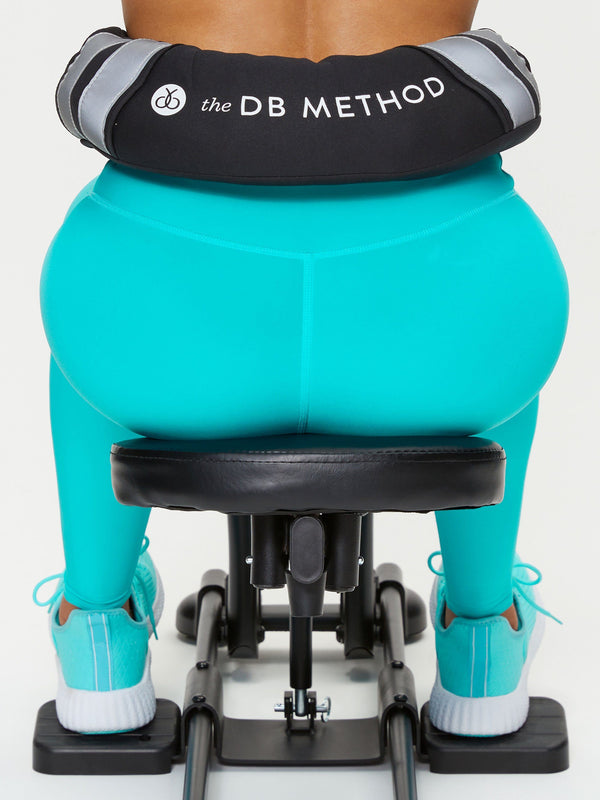
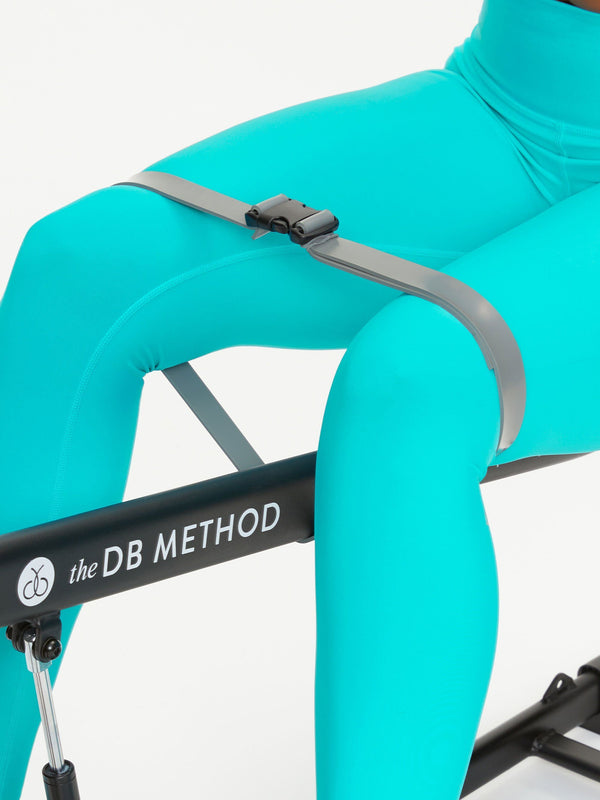
If The DB Method is your main lower-body routine, an upper-body workout plan helps round out the week. The Squat Machine guides the squat pattern and shifts the weight back, so the glutes do more of the work.\
Then, on upper-body days, your legs get time to recover while your chest, back, shoulders, and arms get their own focus.
The DB Method in the Playbook app can also make the week easier to follow, especially if you prefer guided workouts over planning every session from scratch.
3-Day At-Home Plan
This works well if you want structure without filling every day.
- Monday: Upper body workout
- Wednesday: The DB Method lower-body workout
- Friday: Upper body workout or light full-body mobility
This is a strong starting point for beginners or anyone building a more balanced routine. You get enough work to stay consistent and enough rest to keep coming back.
4-Day Balanced Plan
This option gives the upper and lower body more dedicated time.
- Monday: Upper body workout
- Tuesday: The DB Method lower-body workout
- Thursday: Upper body workout
- Friday or Saturday: The DB Method lower-body workout
This setup keeps upper and lower days alternating, so one muscle group is not doing the hardest work two days in a row. It is simple, repeatable, and easier to maintain than training everything every day.
FAQs
Can I do an upper-body workout routine at home?
Yes. Push-ups, rows, shoulder presses, curls, triceps work, and core moves translate well with bodyweight, bands, or dumbbells.
How do I combine upper-body workouts with lower-body days?
Alternate upper and lower body days so the same muscles are not trained hard back-to-back. A simple week could be upper, lower, rest, upper, lower.
Is a push-pull workout plan good for beginners?
Yes, when kept simple. Pair one pushing exercise with one pulling exercise so the chest, shoulders, back, and arms all get attention without overloading any one area.
Do I need a separate arm workout plan?
Not always. Push-and-pull exercises already train the arms. A short biceps and triceps finisher is a good addition when arms are a specific goal.
Build a Stronger Routine From Top to Bottom

Upper body work does not need to be long or complicated to be effective. A simple mix of push, pull, shoulders, arms, and one core move can train your chest, back, shoulders, biceps, and triceps in a way that fits into a real week.
Start with this upper-body workout plan, then pair it with The DB Method lower-body workouts for a balanced at-home routine that feels structured, repeatable, and easier to stick to.
Use The DB Method Workout Machine to build lower-body strength at home, then add this upper-body routine to train from top to bottom.