If your workout plan only works on a perfect week, it is not really your plan. Real progress starts when you build around the time, energy, and responsibilities you actually have. That is the difference between copying a random calendar and learning how to plan a workout routine you can keep coming back to.
In this blog, we’ll show you how to create a workout plan around your goal, schedule, workout types, weekly structure, progress tracking, and real-life adjustments.
Start With What You Want Your Routine To Do
The first step in planning your workout is knowing what you want the routine to help you do. Before you pick exercises, pick a direction. Otherwise, your plan can start feeling scattered fast.
Common goals might include:
- Building lower-body or glute strength
- Improving energy
- Supporting mobility
- Training the upper body
- Moving more consistently
- Creating a realistic daily workout plan
Choose one main goal and one support goal. Your main goal could be strength, consistency, or overall fitness. Your support goal could be mobility, core strength, upper-body balance, or walking more often.
Build a Workout Routine Around Your Real Schedule
A routine only works if it matches the week you live. Before you map out workouts, pause and answer a few real-life questions:
- How many days can you exercise most weeks?
- Do you do better with short workouts or longer sessions?
- Are mornings, lunch breaks, or evenings more realistic for you?
- Do you have equipment at home, or do you need bodyweight and guided options?
This is where planning a workout routine becomes personal. If time, fitness motivation, or fatigue usually get in the way, build around those barriers from the start.
Create a Low-Energy Version Before You Need It
A realistic daily workout plan should include an easier backup option, such as:
- A 10-minute lower-body workout
- A short walk
- A mobility flow
- A light core session
- A quick guided workout
The goal is not maximum intensity every day. Some days, the win is simply keeping the habit alive.
Build a Balanced Weekly Workout Structure

A strong daily workout plan should cover more than one type of movement. The goal is to give your body a steady mix across the week.
Aim to include:
- Lower-body or glute-focused strength
- Upper-body strength
- Low-impact cardio or walking
- Mobility or recovery
- Rest
That balance helps your routine feel complete without making it hard to keep up with.
3-Day Starter Routine
If you are starting fresh, restarting after a break, or working with limited time, this workout plan template gives you a simple structure:
- Day 1: Lower body or glute-focused strength
- Day 2: Upper body and core
- Day 3: Low-impact cardio, mobility, or full-body movement
Three focused days done consistently can be more useful than five planned days that rarely happen.
4-Day Balanced Routine
If you want more structure, try this workout plan template:
- Day 1: Lower body strength
- Day 2: Upper body strength
- Day 3: Rest or mobility
- Day 4: Lower body or glute-focused workout
- Day 5: Cardio, core, or upper body
Move the days around as needed. The routine should support your real life, not compete with it.
Use a Workout Plan Template Instead of Starting From Scratch
A workout plan template makes your routine easier to follow because you are not starting from zero every day. You already have a structure, so you adjust it around your week.
Use this simple template:
- Goal of the week
- Workout days
- Workout type
- Time needed
- Main exercises
- Backup option
- Notes on energy, soreness, or progress
A strong plan usually covers your training days, schedule, exercise choices, progress tracking, and adjustments. Treat the template like a flexible guide, not a strict contract.
What To Put In Each Workout
Once your calendar is set, fill in each session with a repeatable flow:
- Warm-up or activation
- Main movement
- Support exercise
- Optional finisher
- Cooldown or stretch
This is how you create a workout plan that feels clear. For the lower body, that might mean guided squats, glute bridges, step-ups, and core work. For the upper body, try push-ups, rows, shoulder presses, curls, and planks. Keep it simple enough to repeat.
Make the Plan Easy to Follow on Busy Days
A key part of planning a workout is deciding what to do when the full session is not possible. Busy days should not erase the plan. They should simply trigger a shorter version.
Build three versions of each workout day:
- Full Workout: 30-40 minutes
- Short Workout: One focused circuit
- Minimum Workout: One set of key movements or a 10-minute walk
This keeps you out of the all-or-nothing mindset. A shorter session still supports the habit, and that habit keeps your routine moving.
Create Your Backup Workout List
A realistic daily workout plan should include a few quick options you can use anytime:
- Lower Body: Squats, glute bridges, and reverse lunges
- Upper Body: Push-ups, band rows, and a plank hold
- Mobility: Hip openers, hamstring stretches, and light walking
A backup workout still counts. It protects the routine on days when life gets full.
Track What You Do So Your Plan Gets Smarter
A workout planning app can help you notice patterns you might miss on your own. You can see what you complete, what you skip, which workouts fit your schedule, and where you may need more structure.
You can also use a simple notebook. The tool matters less than the habit of checking in.
What to Track Each Week
Log a few quick notes after each workout:
- Workouts completed
- Energy level during sessions
- Exercises used
- Reps, time, or rounds
- What felt strong
- What should be easier next week
Tracking should support consistency. One workout does not tell you much, but one week gives you clues, and four weeks give you a clearer picture of what is working, what needs adjusting, and how to keep the plan realistic.
Adjust Your Routine When Life Changes

A workout routine is not a permanent schedule. When you create a workout plan, expect it to change as your life changes.
Your routine may need adjusting when your schedule gets busier, travel comes up, soreness increases, motivation drops, progress slows, or your goal changes.
That does not mean the plan failed. It means the plan is doing what it should: helping you stay consistent through real life.
A strong routine gives you room to shift. You can move a workout day, shorten a session, swap in mobility, or repeat a week before progressing. The point is not to follow the plan perfectly. The point is to keep coming back to it.
Use The DB Method To Make Lower-Body Days Easier
Once your weekly structure is clear, guided workouts can make it easier to follow through. You are not guessing what to do next or rebuilding the plan every time you train.
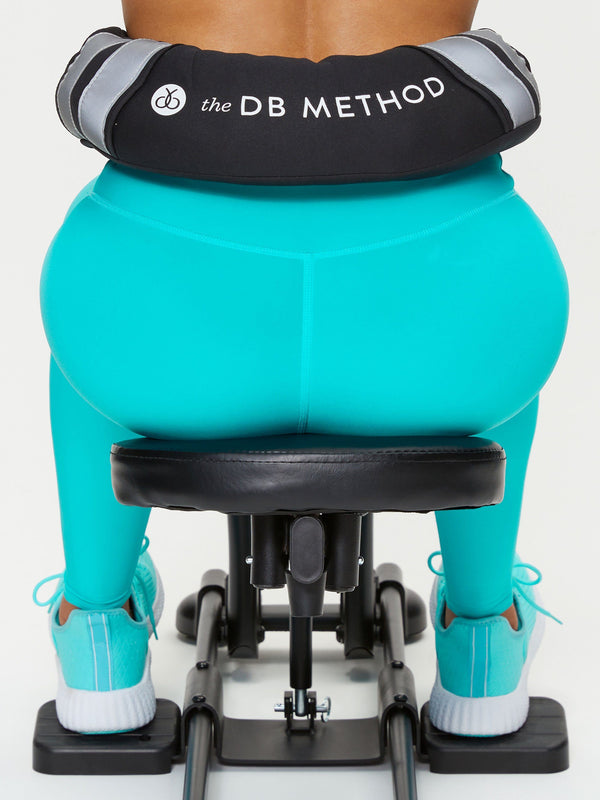
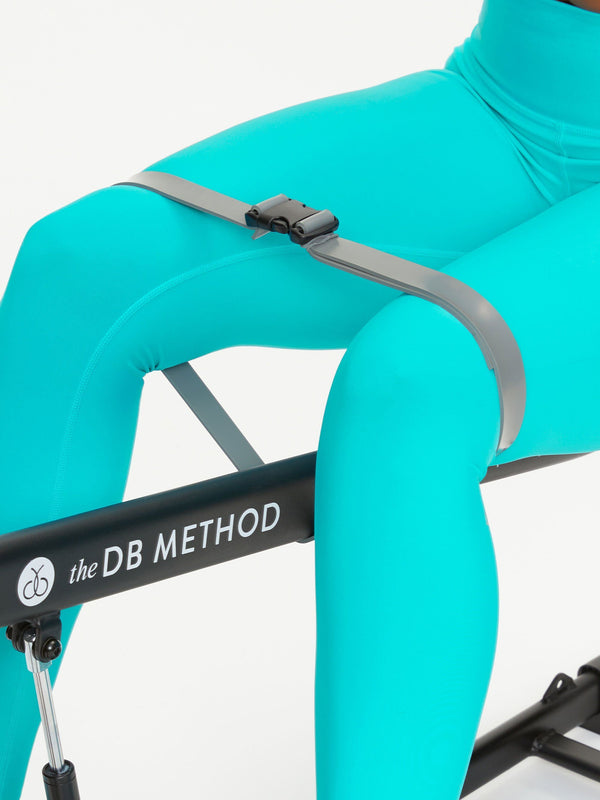
For lower-body and glute-focused days, The DB Method Squat Machine can be a helpful step up. The machine shifts your weight back so your glutes do more of the work than they would in a traditional squat. It can make consistent weekly training feel more approachable.
If you want more structure, The DB Method on the Playbook app offers guided video workouts you can plug into your routine. It works well if you are looking for a workout planning app that keeps lower-body sessions clear, repeatable, and easier to start.


FAQs
How do I start planning a workout routine?
Start with your goal, choose realistic training days, pick simple workout types, and always include a backup option for busy days.
How many days should be in a daily workout plan?
A daily workout plan can include strength days, cardio, mobility, walks, and rest.
What should be in a workout plan template?
Include your goal, workout days, workout type, time needed, main exercises, a backup workout, and notes on progress.
How do I create a workout plan if my schedule changes every week?
Build a flexible weekly template with priority workouts, backup options, and movable rest days that shift with your schedule.
Build a Routine You Can Come Back To
The best routine is not the most intense one. It is the one you can return to, even when life gets full.
Start with your real schedule, choose one clear goal, build a weekly structure, track what you actually do, and adjust when things shift. That is how to plan a workout routine that feels useful beyond the first week of motivation.
For lower-body and glute-focused days, The DB Method gives you a guided at-home option that is repeatable, easy on knees and joints, and simple to fit into a realistic plan.
Explore The DB Method Squat Machine to make lower-body days easier to plan, start, and repeat.