If you’ve ever finished a booty workout and felt it mostly in your thighs, it’s not you. It’s the setup. Your glutes just weren’t getting the love they deserved.
The good news? You can fix that right at home. A glute workout at home can build stronger glutes, which helps with the stuff you do every day. For example, it can help you climb stairs, carry groceries, and stand up straighter.
In this blog, you’ll go through a simple warm-up, a step-by-step living-room workout, and a progression you can stick to.
What Your Glutes Do and Why They Matter
When we talk about “glutes,” we’re talking about your glute maximus (the big one that gives shape and power) plus the muscles on the sides that help keep your hips steady and control movement. Training them at home doesn’t need fancy machines. It just takes smart moves in your living room.
A “living room strength” plan hits three patterns you use every day. You’ll train the squat pattern for sitting, standing, or climbing stairs. You’ll use a hinge or bridge to build strength on the back side of the body.
Then you’ll add side-glute work to keep your hips steady and your knees tracking well. Doing all three means your glutes aren’t just looking good. They’re supporting how you move every single day.
Simple Setup for a Glute Workout at Home
You really don’t need much for a glute workout at home. All you need is a spot big enough for a mat and a chair or couch edge. If you’ve got a loop band or a pair of light weights, use them for an extra challenge.
Use the edge of the chair or couch for support, or to set up hip thrusts. The main thing is that your feet feel solid, your torso stays steady, and you move at a controlled pace. That’s the whole setup. You don’t need gym vibes or pressure here.
5-Minute Warm-Up to Wake Up Your Glutes at Home
Before you jump into any glute workout at home, you want to make sure your glutes are actually awake. Otherwise, your thighs and lower back can end up doing the work (rude). This quick warm-up is about switching them on so your glute exercises at home hit where they’re supposed to.
- Hip Hinges: Stand tall and send your hips back slowly, like you’re reaching for an invisible chair behind you. If you feel your butt working, great. If you feel nothing, go slower. Going slower usually helps.
- Glute Bridge Holds: Feet on the floor, lift your hips, squeeze your butt at the top, and breathe out like you’re fogging up a mirror. Hold for a beat, lower down, repeat.
- Side Steps or Crab Walks: Step side to side and keep your hips level. Use a band if you have one. If you don’t, that’s fine. You should feel the outer hips working.
Go slow, stay in control, and let your knees do their thing over your toes. With those 5 minutes, your glutes will know you showed up.
The Step-By-Step Glute Workout At Home

This is a simple, living-room glute workout at home. You’ll move through four blocks. Pick the option that feels right, take your time, and focus on the muscles doing the work. That’s the whole point of an at-home glute routine.
Block 1: Squat Pattern for Glutes
Pick one and go with it. Squat like you usually would, or grab a chair if that feels better today.
- Bodyweight Squat: Heels stay down. Send your hips back, then stand by driving through your heels.
- Supported Squat-to-Chair: Tap the chair, then stand. Stay controlled and smooth.
Drag out the way down, slower than feels necessary. Count it out if you have to. That’s where your glutes wake up. If you feel this mostly in your thighs, pause, reset, and push the floor away with your heels.
Block 2: Hinge and Bridge for Glutes
Choose one hinge and one bridge. Keep the range small and focus on the muscles doing the work.
- Single-Leg RDL (With Support): Hold a wall or chair for balance. Send your hips back a few inches, then stand tall. You’re not trying to touch the floor.
- Glute Bridge or Hip Thrust: Feet stay down, and keep your ribs down. Lift your hips, pause and squeeze at the top, then lower with control. Don’t push into an exaggerated arch.
If your lower back is working before your butt is, ease up and make the range smaller.
Block 3: Single-Leg Glute Strength
Pick one. Go slow and stay steady, and use support if you need it.
- Split Squat: Take a staggered stance and lower a few inches with control, then stand. Keep the range smaller if your knees are acting up.
- Step-ups: Use stairs or a solid step. Step up by driving through your heel, then step down with control. Hold a wall or railing for balance if needed.
It’s not cheating. It keeps the focus on your glutes.
Block 4: Side Glutes Finisher at Home
Finish strong with a side-to-side move. Add a band if you have one, and skip it if you don’t.
- Lateral Steps: Stay low, step wide, then bring your feet back under you with control. Keep your hips level so the outer hips do the work.
- Side-Step Squats: Step out, sit back a bit, then step in. Keep your knees tracking over your toes.
- Optional Burnout: End with a 10-15 second hold, or tiny pulses in your lowest steady position.
This should burn, but in a controlled way. Stop before your form falls apart.
How to Structure Your At-Home Glute Routine
Pick one format and keep it simple.
- Circuit: Move through all four blocks as a circuit for three rounds. Keep a steady pace and take short rests as needed.
- Sets: Do 2-3 sets of each move. Stay in a comfortable rep range, around 8-15 reps.
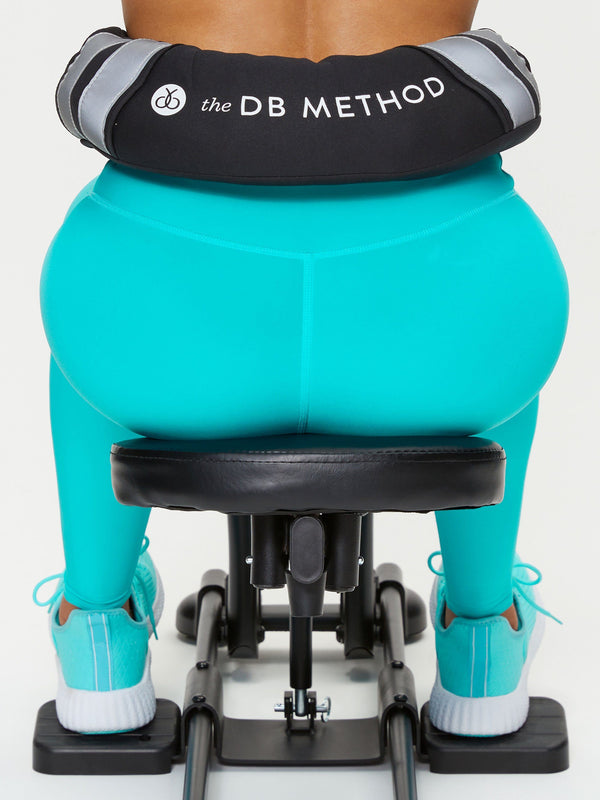
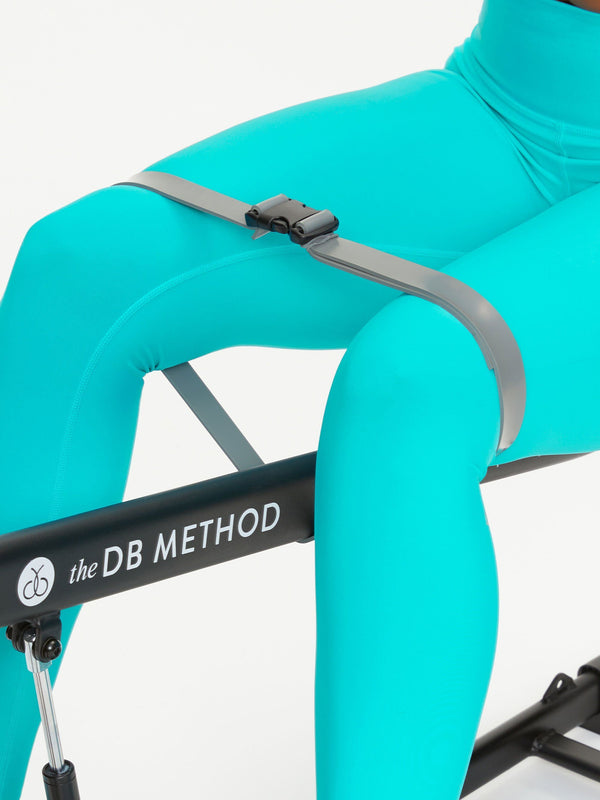
Either way, focused minutes add up. If you want extra guidance on squat form, The DB Method Machine can help keep your positioning glute-focused while staying easy on the knees and back.
How to Progress Your Glute Workout at Home
Your at-home glute routine does not need to be complicated to get results. Training your glutes 2-3 times a week with a rest day in between is more than enough. That’s it. No fancy schedule, no doing the most.
When things start feeling easier, that’s your cue to change one thing. Maybe you can add one extra set. Maybe you pause for two seconds at the hardest point. Maybe you grab a light band for a booty workout at home, or slow down on the way down. Just one tweak.
If your glute workout at home feels smoother and more controlled than it did a few weeks ago, you’re on track. Progress doesn’t have to be dramatic. It just has to be consistent.
Form Fixes for Glute Exercises at Home

When we’re doing glute exercises at home, it’s easy for the thighs to jump in and do the work. If that’s happening, widen your stance a little, sit back more, push through your heels, and slow down. That’s usually all it takes.
If your lower back is feeling it more than your glutes on bridges or hip thrusts, keep your ribs down, don’t arch your back, and squeeze your glutes at the top. Don’t just lift and call it done.
And if your knees keep caving in, pause and slow it down. Add some side glute work like lateral steps, and focus on keeping your knees in line. These small changes make a booty workout at home feel entirely different.
Make Squats Hit Your Glutes at Home
Want your squats to hit your glutes at home? Start with bodyweight, then try “guided” squats with The DB Method Machine. The positions and cues help you stay in the right range, so every rep is glute-focused instead of letting your quads take over.
The best part? Quick workouts, coaching with The DB Method on the Playbook app, and built-in form support make it easier to feel your glutes working more without overthinking it.
If you want to feel it in all the right places, try The DB Method Glute Workout Machine for guided, glute-first reps at home.