When you feel wobbly on one leg or a bit shaky in lunges, it’s usually not because you need more workouts. The problem is that different parts of your body are not working together well. You’re not just trying to power through the exercises. You’re training control, too.
That’s what a real balance workout is about: stability, not stiffness. Training the trunk, hips, and pelvis together can improve steadiness and reduce those leaky moments where we lose control.
In this blog, we’ll break down what stability actually means, why glutes and core are the foundation of it, and walk through a simple, follow-along core and glute workout we can do right at home.
Why Core and Glutes Improve Balance and Stability
Your balance system depends on your core and glutes working together. Your core is not about having nice abs. It helps you stay steady. When you train the core the right way, those muscles learn to work together.
They keep you balanced when you’re moving, twisting, and shifting weight. That’s functional strength we use in daily life, especially when we’re training at home without equipment, doing the stabilizing for us.
The best core and glute routines don’t focus on one muscle at a time. Instead, they use glute and core exercises that train multiple muscles at once, like bird dogs, single-leg hinges, and bridge variations.
Four Movement Patterns for Better Balance
A good balance workout isn’t about random moves. It’s about training the patterns your body relies on every day. The most effective glute and core exercises fit into four key ideas. Once you understand them, every rep makes more sense.
- Brace and Breathe. This is your core learning to stay steady while you move, resisting the urge to arch, twist, or lose control.
- Bridge or Hinge pattern. It builds strength on the back side of the body, so your glutes and trunk can support you when you bend, stand, or lift.
- Single-Leg Control. It teaches your hips and core to stay steady while your weight shifts.
- Anti-Rotation and Side-Core Work. These moves help level your pelvis when you're walking, going up stairs, or switching directions, when you need balance most.
Your balance gets way better once your hips and core can keep you steady. You know that solid, confident feel when you're stepping, lunging, or balancing on one leg, with less wobbling.
4-Minute Warm-Up for Core and Glute Control
Before we dive into the workout, this quick warm-up gets you feeling the right muscles right away. It’s like a body reset. This is simple home stability training that fires up your core and glutes, so balance feels easier from rep one.
March in place for 30 seconds. Stand tall and let your core stay steady as your weight shifts.
Then do a 45-second glute bridge hold. Lift your hips, hold at the top, and breathe out slowly to switch on your core and glutes.
Do bird dogs for 30 seconds per side, slow and controlled, and keep your torso steady.
Finish with 30 seconds of lateral steps. Add a band if you want, and stay tall while you feel the outer hips working.
At-Home Core and Glute Workout for Stability

This core and glute workout is about feeling strong and steady, not pushing until you’re exhausted. We’ll move through glute and core exercises that train balance and control, not speed. You’ll do 2 rounds, resting 30-45 seconds whenever you need to. Take your time here. The goal is to finish feeling grounded and in control, not wiped out.
Round Structure for Stability and Strength
Each round has 6 moves: 3 focused on stability and 3 on strength. Go for around 8 to 12 reps per side or 30 to 40 seconds each. Stay in control with no rush. If anything feels off, stop, take a break, and reset.
Move 1: Bird Dog for Core Stability
This move is there to teach your core to stay steady while your arms and legs get moving. Go slow, keep your ribs down, and try not to twist your hips. As easy as it may look, you’ll feel it when you stay in control.
Move 2: Glute Bridge for Core and Glutes
Glute bridges put your glutes on the same team as your core and fire them up. Push through your heels, squeeze hard up top, and breathe out. Want more? March in place, one foot at a time, and keep your hips steady.
Move 3: Modified Side Plank for Side Core
Side planks build the side-core strength that helps with balance. Start with knees down or shorter holds. Feeling steady? You can lift the top leg, but only if you stay in control.
Move 4: Supported Single-Leg RDL for Balance
This move is all about balance and control. Hinge from your hips, keep a soft bend in your standing knee, and don’t rush it. Lightly hold a wall or chair if needed. That’s still doing the work.
Move 5: Squat Pattern for Glute and Core Power
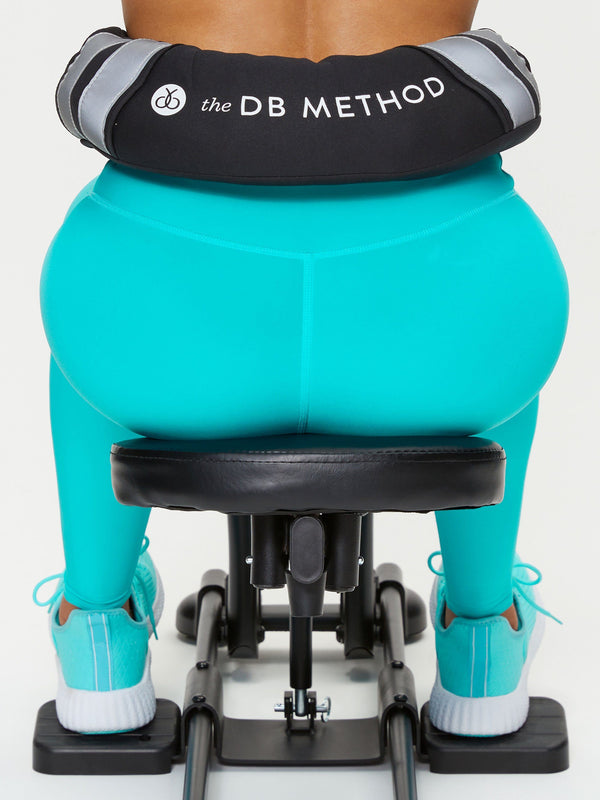
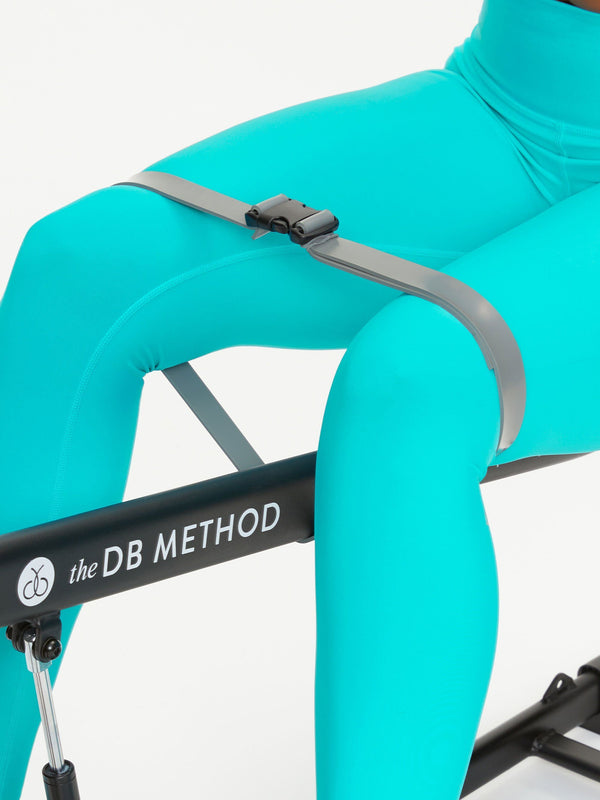
Pick what feels best: chair sit-to-stands, bodyweight squats, or squats on The DB Method Machine. The DB Method’s modified squat helps shift the work into your glutes while taking pressure off your knees and lower back. Sit back, stay tall, and push through your heels.
Move 6: Dead Bug or Heel Taps for Core Control
We finish with core control. Keep your ribs down and your back steady as your legs move. Slow and controlled work here makes all the difference.
Take a breath, reset, then repeat. Steady is the win.
2-Minute Balance Finisher for Real-Life Control
To wrap up, let’s do a quick finisher that helps your balance actually show up in real life. This balance workout puts the limelight on functional strength, training your core and glutes to stabilise as your body moves and shifts.
- Option A: Stand on one leg for 20-30 seconds per side, then add a slow knee drive to challenge your control.
- Option B: Try a suitcase hold march, grab a lightweight or even a household item and march slowly, keeping your core tight and hips steady.
The idea is simple: the more your core and glutes learn to stabilise under changing loads and positions, the better your balance will transfer to everything you do.
Simple Progressions for Stability Training at Home

Talking of stability training at home, the key is to simply sustain your progress. Focus on one thing at a time. Your body doesn't stress out and moves calmly.
- Make it longer: Add 10 extra seconds to holds like planks or side planks.
- Make it slower: Take 3 seconds to lower in a hinge or squat, really feeling the muscles engage.
- Make it narrower: Bring your stance in slightly, but only if your form stays solid.
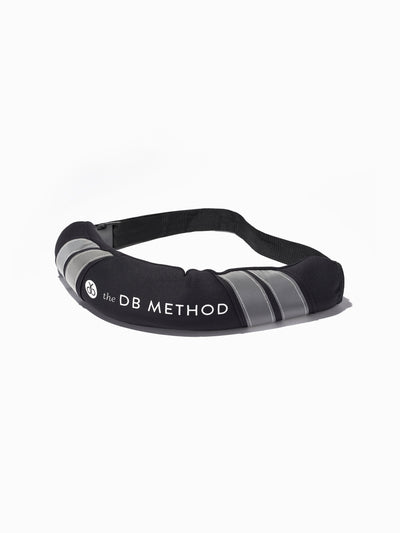
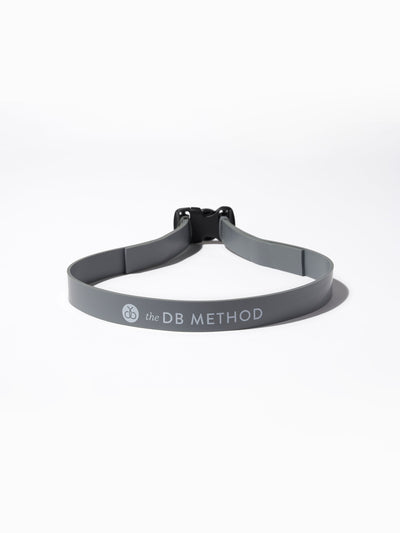
- Add DB Method accessories: Use resistance bands, wrist weights, or a weighted belt where it makes sense.
Small tweaks like these keep building functional strength without overcomplicating things.

Weekly Plan for Better Balance and Stability
For a solid core and glute workout routine, aim for 2-3 days a week doing the full 2-round session. On off days, just hitting the quick prep and balance finisher, takes like 6 minutes tops. Sneak in at least one real easy day a week, too. Keeps you consistent, body primed to crush it, same setup as those go-to home workouts.
Stick with this groove over time, and your core and glutes start talking better, balance clicks in daily stuff, and other moves feel easier. It's steady gains without burnout, so you're strong and locked in every day.
Build Functional Strength at Home with The DB Method
If you're after a glute-focused machine that nails consistent, controlled reps right at home, The DB Method Machine is built for it. It's a tweaked squat that lights up your glutes, pulls in your core, and works your whole body. It's ideal for full glute-core sessions. Low-impact keeps joints chill, super compact to stash away. An easy way to stack real strength without the hassle.
Explore The DB Method Machine for guided squats that build core and glute strength at home, with steady form.