That shaky tremble in your glutes mid-set, with the range of motion shrinking, might have made you wonder if you're nailing it or just gassing out. That's muscle fatigue, and beginners often mix it up with burn or soreness, quitting early, or overdoing it and tanking consistency.
For beginners, this feeling can be confusing. The burn, the shake, and the soreness all start to blur together, and training turns into guesswork. This leads to either quitting too early or overdoing it.
In this blog, we will break down what muscle fatigue means, how it relates to glute training, and how to train in a way you can keep up with.
Muscle Fatigue 101: What It Is and What It Isn’t
Muscle fatigue is a temporary drop in your ability to generate force during or right after a tough glute set. It’s not some vague weakness or toxin buildup from old myths.
Muscle fatigue comes in two main types: peripheral and central.
- Peripheral fatigue hits inside your glute fibers, where fuel runs low, metabolites pile up, and ion balances shift.
- Central fatigue is your brain and spinal cord dialing back signals to protect you as effort ramps up.
Glutes feel this muscle fatigue fast because they're big, powerhouse muscles. Your body recruits more fibers when you push hard, which quickly spikes those sensations. Muscle fatigue is information, not the enemy. Learn to read it right, and you'll keep those gains rolling.
What Muscle Fatigue Feels Like During Glute Sets
During a glute set, your body follows a simple timeline of muscle fatigue. This process drives strength-training adaptation, as long as you maintain solid form.
At first, reps feel fast and clean. Energy comes mostly from ATP and phosphocreatine, making the technique easy to nail with a strong hip hinge and stable knees.
Mid-set, glycolysis takes over as effort builds. Metabolites accumulate, contractions slow, and you feel that burn and pump. This burn isn’t proof of muscle growth, but it’s a good sign your set is hard enough to stimulate growth when your form stays solid.
By the last reps, your tired muscles need backup, so your body brings in more fibres to keep you moving. That is why the final 2 to 4 quality reps count the most, but they are also where staying in good form matters most.
Bottom Line: Skip the chaos and keep things simple. Put the tension where you want the results, right in your glutes.
Burn vs Failure vs DOMS in Glute Workouts
Burn, failure, and next-day soreness are all tied to muscle fatigue, but not the same thing at all. The burn you feel mid-set is that local buildup of metabolites during hard glute work.
Delayed Onset Muscle Soreness (DOMS) is the delayed soreness that hits hardest tomorrow. It is not lactic acid “stuck” in your muscles, as the old myths say. Try this simple traffic-light check to gauge it:
- Green means your glutes feel worked, soreness stays mild to moderate, and movement feels normal. Train as planned.
- Yellow signals soreness that slows sitting and knocks back performance for a couple of sessions. Keep training, but lower the volume or intensity.
- Red warns of sharp pain, joint trouble, numbness, or fatigue spreading all over your body. Stop pushing through and take it seriously.
Progress is not about going all out every time. It is about training smart, paying attention to your body, and sticking with it.
From Muscle Fatigue to Glute Hypertrophy Science

Fatigue isn't the end goal of your glute workouts. It's a key part of the path that builds high-quality tension over time, fueling real glute hypertrophy through smart strength-training adaptations.
Mechanical Tension and Glute Growth
Mechanical tension is the top driver of muscle growth. As muscle fatigue sets in during a hard set, your body often recruits more fibres and ramps up effort. This boosts effective tension on those fibres, especially when you maintain the correct form. Metabolic stress plays a supporting role, but tension remains the real anchor for lasting gains.
Strength Training Adaptation for Beginners
Strength-training adaptation kicks in quickly for beginners, mostly through neural tweaks and improved muscle coordination. You simply get smoother at firing your glutes correctly. True hypertrophy builds from there with steady, progressive sessions and solid recovery, turning early wins into bigger, stronger glutes.
Signs of Productive Muscle Fatigue in Glutes
Spot true progress when your glutes carry most of the load, not your quads or lower back. Last reps slow naturally, yet your posture holds steady and controlled. You walk away challenged and pumped, not totally wrecked or limping.
When you understand how fatigue, tension, and recovery work together, every glute session starts to feel more intentional and a lot more rewarding.
Progressive Overload for Glutes Without Burnout
Think of your progress overload as your beginner-friendly roadmap to real glute gains. Just nudge one thing at a time to keep it straightforward and doable. You're slowly turning up the challenge so your body has no choice but to step up and get stronger, all without that overwhelming burnout.
Here are five easy levers to progress week by week:
- Reps: Add 1-2 more per set once it feels steady.
- Sets: Tack on one extra only if you're recovering well.
- Tempo: Slow the lowering phase to ramp up time under tension.
- Range of motion: Hit deeper, smoother reps as mobility builds.
- Density: Fit the same work into a touch less rest, here and there.
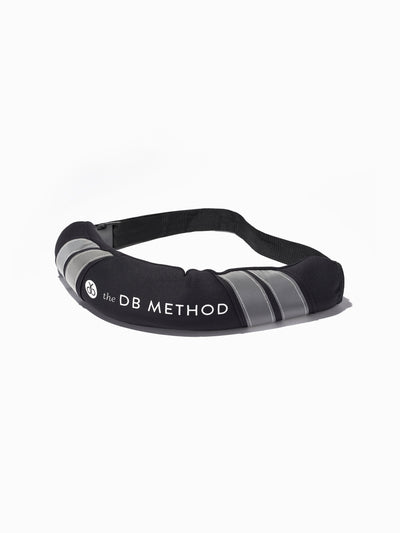
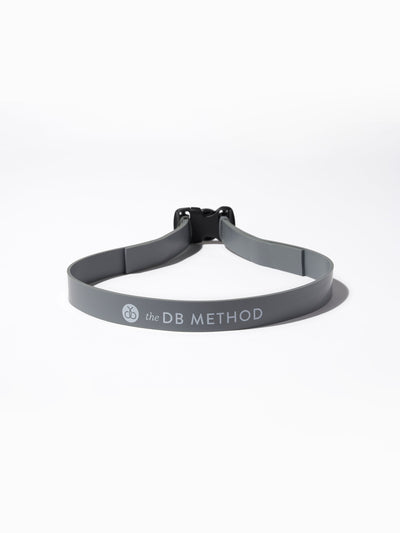
The DB Method's pre-set resistance makes this smooth, focusing on reps, tempo, intervals, or accessories instead of heavier loads. If you have them, the DreamBelt adds hip-focused weight, DreamBand Pro amps squat variations and mobility, or DreamRamp Pro supports deeper glute mechanics.
Progress feels almost boring, and that's the best part; it stacks up steadily.

Muscle Recovery Principles for Better Glute Results
Recovery is not a bonus you add on when life allows it. It is the phase where your body actually adapts to training. You create the stimulus during training, but progress happens when your muscles repair and come back stronger.
If muscle recovery isn't on point, you'll notice it fast when sessions feel weaker, and results just stall out.
- Your glutes usually love a 48-hour gap between those tough workouts.
- Sleep counts way more than you might guess; choppy nights hit you with quicker fatigue and meh performance.
- Fuel and hydration make or break it, too.
- Skimping leaves you low energy with crummy reps.
- A light walk, some gentle stretches, or easy movement helps you feel fresh and ready to go again sooner.
If performance tanks for two or three workouts in a row, dial back the volume for a week to reset.
Beginner Glute Workout Week You Can Repeat
This beginner-friendly glute plan is designed for most beginners who are chasing real results without all the guesswork.
Day 1: Form and Tension
Start with a quick warm-up to wake up your glutes and get your body moving. Focus on posture and controlled movement rather than going all out.
- Glute Bridges: Slow and controlled, just feel the squeeze at the top.
- Bodyweight Squats: Focus on keeping weight in your heels.
- Side-lying Clamshells: Mind-muscle connection is key.
Pay attention to posture guidance and keep your reps deliberate. The goal here is tension, not exhaustion.
Day 2: Recovery or Light Movement
Keep it easy today. A short walk, gentle core work, or light mobility drills help your muscles recover. If you have DreamDiscs, mountain climbers, or lunges, make for a great warm-up. Let your body move without pushing it too hard.
Day 3: Volume and Controlled Burn
Day 3 is slightly more intense but still controlled. Interval-style sets or higher reps with clean form really put your glutes to work. Next week, bump it up by tossing in a few extra reps, slowing that tempo just a bit, or slipping in one more set.
Gauge how you're doing by checking your form. Does it feel solid? Is your effort steadier? Can you handle a touch more work than last time without losing control? That's the sweet spot where muscle fatigue fuels real growth, all while keeping things safe and sustainable.
Stronger Glutes Start With Smarter Sessions

Muscle fatigue isn't something to fear. It's your body's signal that it's putting in real work. Pair that smartly with steady progression and solid recovery, and you're giving your glutes just what they need to get stronger week by week.
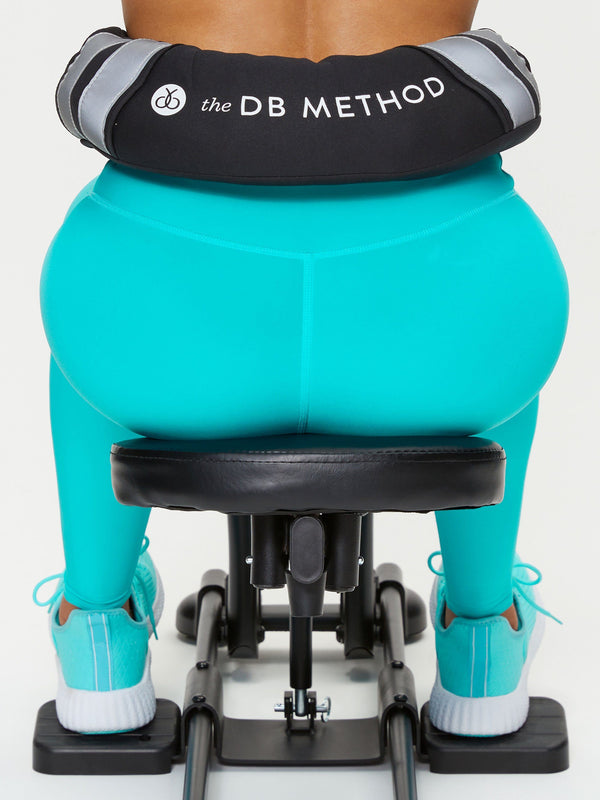
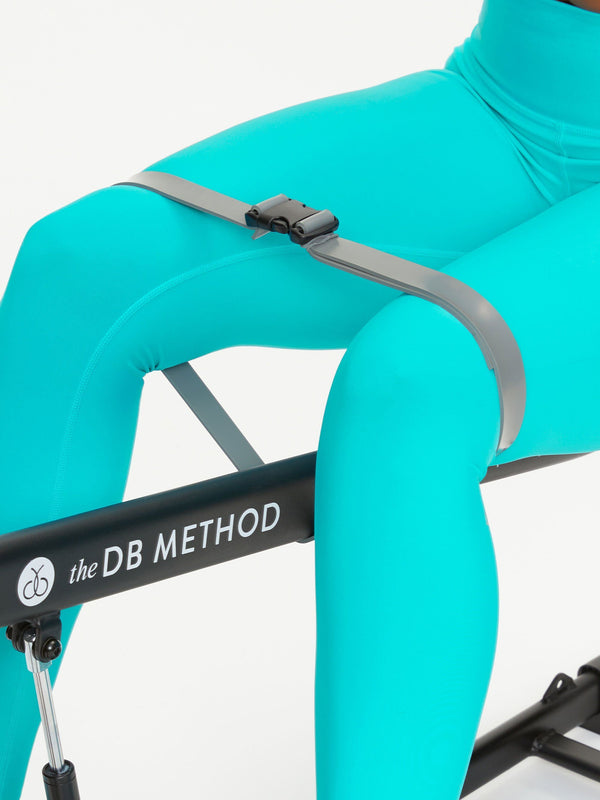
If you're after guided, low-impact at-home sessions that keep things consistent without the hassle, The DB Method Squat Machine makes it simple to dive right in and stay on track. It gives you clear cues, structured workouts, and a setup that just works.
Squat smarter at home with The DB Method Squat Machine and turn glute fatigue into steady, repeatable gains.