You don’t need a whole new personality to work out at home. You just need a reliable next step that happens almost on autopilot. Most people don’t quit workouts because they’re lazy. They quit because every session requires too many decisions, and decision fatigue is very real.
That's where fitness habit stacking comes in handy. Instead of waiting for motivation to hit, you simply link movement to stuff you're already doing every day. When workouts feel automatic and small, they’re way easier to stick with.
In this blog, you’ll learn what habit stacking is, how the simple formula works, and how to build workout habits with tiny at-home moves, including The DB Method options, that fit real days.
Why Habits Beat Motivation for Home Workouts
Motivation is awesome on paper, but in real life it can be unreliable. Some days it's there, other days it's not. If you lean on willpower alone for workouts, inconsistency hits fast, especially when life is busy, or you’re running on low energy.
Habits fix that by reducing decision-making. Link movement to something simple you already do, like that first sip of coffee or your laptop shutdown, and it starts to happen on autopilot. Over time, repeatability matters far more than intensity, especially for routine building.
This is also why short sessions win. Mini workouts are easier to start and repeat, and they don’t trigger the “all-or-nothing” mindset that makes people quit. Ten minutes done consistently does more for routine building than a perfect plan you never stick to.
What’s Fitness Habit Stacking and Why It Works
Habit stacking is basically attaching a new habit right onto one you already do without even thinking. No more trying to remember to move more, you just tie it to routines that already happen every day.
The formula stays simple, and you can reuse it anytime: After (or before) [CURRENT HABIT], I will [NEW HABIT]. After brushing teeth, knock out five squats. Laptop shuts down, jump into a quick 10-minute workout. Simple to do, and easy to repeat.
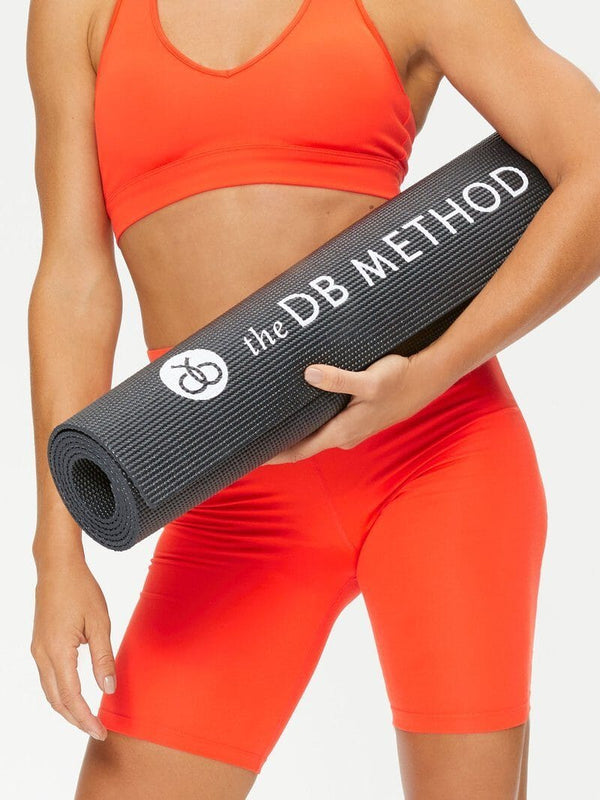
It works because your existing habit becomes the cue. You’re not relying on motivation or memory; the trigger is already built in. Small environmental cues help, too. Shoes by the door, a mat rolled out, or a machine already set up removes friction and nudges you into action without a mental debate.
How to Build Workout Habits With a Simple Stack
When you want to build workout habits, the goal is simple: make movement the easy next thing, not a debate. If it feels too big, shrink it. Use this four-step stack:
- Step 1: Pick an anchor you never skip. Coffee, brushing your teeth, lunch, or closing your laptop.
- Step 2: Keep the new action tiny. Two minutes, one set, or a quick 10-minute session.
- Step 3: Decide exactly where it happens. Lay out the mat, keep shoes visible, or set up your machine so there’s no friction.
- Step 4: Add a small reward. A favorite playlist, a checkmark, a hot shower, or two guilt-free minutes of scrolling.
Start with one anchor and one action for a week. Once it feels automatic, you can add time or another stack. Consistency beats intensity.
Tiny Home Workouts for a Daily Movement Habit

If “work out at home” sounds overwhelming, this section is meant to calm you down. These are not big, dramatic routines. They’re small, repeatable bits of movement you can attach to something you already do every day, which is exactly how consistency is built.
2-Minute Warm-Up
This one is pure momentum. Do this quick 2-minute flow:
- March in place for 30 seconds.
- Do arm circles for 30 seconds.
- Do hip hinges for 30 seconds.
- Finish with chair squats for 30 seconds.
That’s it. You’re allowed to stop right there, or keep going if your body feels like it. This works best right after an anchor, like brushing your teeth or making coffee. It lowers the mental barrier because you’re not committing to a “workout,” just pressing start.
6-Minute Strength Set
Think of this as strength training without overcomplicating it. Do two slow, controlled rounds of:
- 8-10 chair squats
- 8-10 wall push-ups
- 20-30 second plank (or a countertop plank)
Move slowly, focus on form, and don’t rush the reps. It’s quick enough for a packed day but still leaves you feeling strong, making it easier to come back tomorrow.
The DB Method 10-Minute Workout Stack
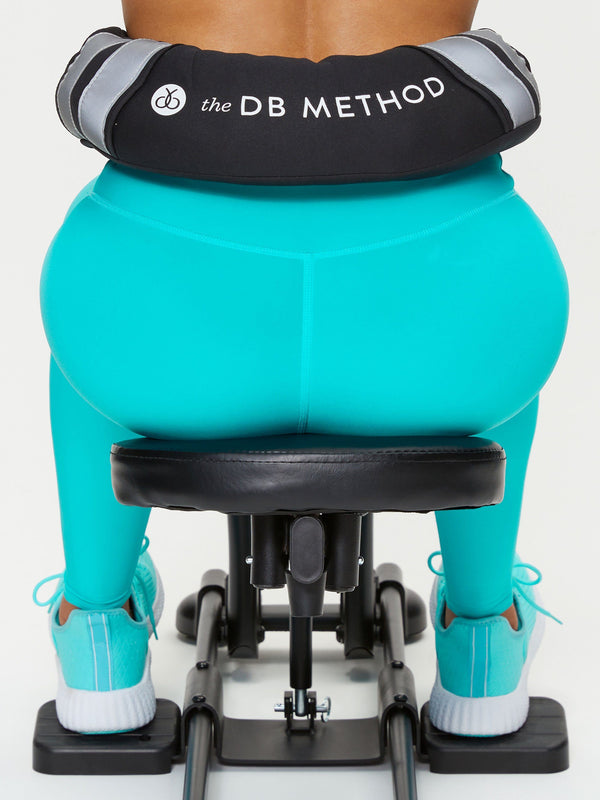
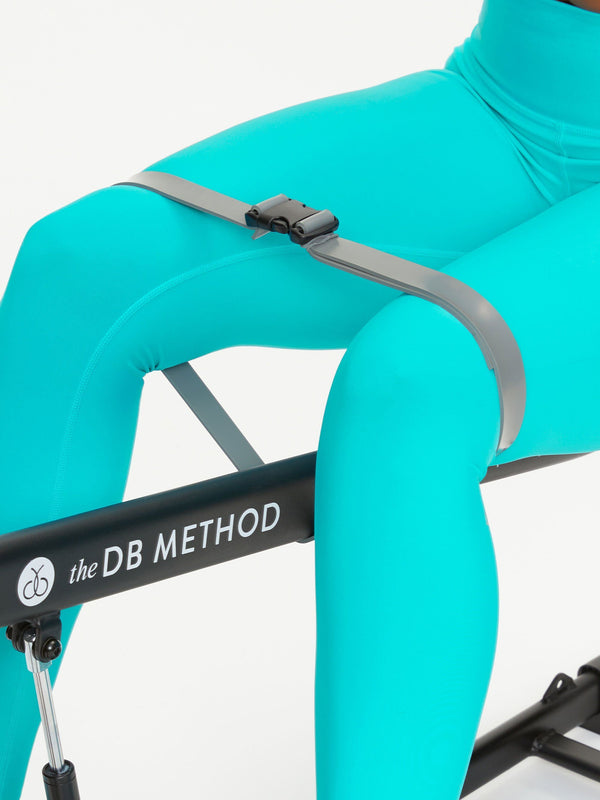
This one is perfect if you like structure but still want things simple. After your anchor, for example, “after I pour my coffee,” do a steady 10-minute The DB Method session. Start with warm-up reps, move into controlled squats, add short holds or pulses, and then step off.
The key is effort without exhaustion. The DB Method works well for habit stacking because the sessions are short, guided, and designed for home use. It’s set up to be quick to get started, with something you can repeat day after day.
Choose one option and repeat it until it feels normal. That repetition is what turns “I should work out” into a daily movement habit you actually do.
Habit Stacking Ideas for Busy Days at Home
Real-life habit stacks work best when they slide into your day instead of taking it over. In the morning, something as simple as starting the coffee can be your cue. While coffee brews, sneak in two minutes of movement, and if you're feeling it, tack on a couple more.
If you’re wondering how to stay consistent working out, this is the part that helps: make the stack fit the day you actually have.
- If you are working from home, closing the laptop is your cue. Before you melt into the couch, swap clothes and do ten minutes of easy moves.
- After school drop-off or pick-up, doing a short strength session before you sit down helps a lot. Once you sit, momentum disappears. Even six minutes counts.
- At night, you can stack movement with TV. Press play, do a round of squats or planks, then relax.
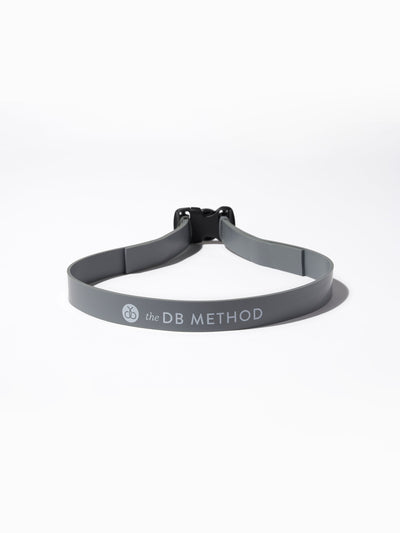
And if your equipment is easy to access, like the DB Method Squat machine, mat, wrist weights, etc, brushing your teeth can naturally lead to a quick session without friction.


7-Day Plan for Routine Building That Sticks
Here’s a chill, no-stress 7-day plan to build workout habits without burning out or second-guessing everything.
- Days 1-2: Pick one anchor you do every day (coffee or brushing your teeth) and add the 2-minute warm-up.
- Days 3-4: Keep the same anchor and add one short micro-set after the warm-up.
- Days 5-7: Stick with the same anchor and choose what feels best, warm-up plus micro-set, or a 10-minute The DB Method session at home.
Keep it small, familiar, and repeatable. That’s how routine building turns into something you can actually maintain.
Habit Stacking Mistakes That Break Consistency

You hype a full workout, it looms too big, and then you bail entirely. The quick fix is to shrink the minimum until it feels almost impossible to fail. Two minutes still count, and consistency matters more than intensity when you’re trying to stay consistent working out.
Another issue is having no clear cue. If workouts float free in your day, they slip away easily. Nail it to a very specific trigger, like laptop shut off or after you brush your teeth, keep gear right there, and routines stick without the fight.
And finally, missing one day and deciding you’ve failed. That mindset kills habits fast. Instead, just come back the next day and do the minimum again. One missed day isn’t the problem. Quitting is.
How to Stay Consistent Working Out in 10 Minutes
You’re not trying to have perfect workout weeks. You’re trying to build something that still happens on messy, busy, low-energy days. That’s where habit stacking actually works.
When 10 minutes becomes the default, it stops feeling like a big decision and starts feeling normal, like brushing your teeth. That’s also why The DB Method fits so well into this kind of routine. It’s built for short, at-home sessions that can fit into a busy schedule.
Ready to make 10 minutes a default? Explore The DB Method Squat Machine.