Rest day doesn’t mean doing nothing. Sometimes it’s just the right small thing. An active recovery workout uses gentle, low-intensity movement to help the body bounce back from more stress.
Skip crashing out or turning rest into a leg day sequel. Instead, light movement keeps you loose, cuts stiffness, and keeps the habit alive.
These rest day exercises aren’t meant to feel hard. They should feel easy, supportive, and refreshed. In this blog, we’ll break down what an active recovery workout is, how low-intensity should feel, and a few at-home recovery routines to match how your body feels that day.
What an Active Recovery Workout Really Is
An active recovery workout is just easy movement with a purpose. It’s what we do after tougher training days to help the body recover, not to push limits or chase a personal best. Think of it as a low-intensity workout that feels almost kind.
The low-intensity comes down to how it feels. Active recovery keeps us moving gently. Relaxed walk, mobility bits, easy yoga, slow bike. Full rest is separate for inadequate sleep, high stress, sharp soreness, or just not enough days.
Folks stick with it because their bodies feel less stiff and more ready next time. It’s not extra work. It’s a reset, so workouts don’t feel harsh, and the routine keeps clicking.
How Low-Intensity Should Feel on Recovery Days
A good recovery day routine should feel easy enough that you almost wonder if it’s “doing anything.” That’s actually the point. An effective low-intensity workout supports recovery, not fatigue.
A simple guardrail is the talk test. You should be able to chat away the whole time, without getting out of breath. If you need to pause and catch your breath, ease up right then. Coaches sometimes check heart rate, too. Stay super chill at 30-60% of your max.
Time matters here. 10-30 minutes are plenty for home recovery days. Short and gentle keeps you consistent, way better than going too hard and regretting it tomorrow.
When to Do Active Recovery Vs. Full Rest
Knowing whether to move or rest can make rest days feel much less confusing. Rest day exercises and active recovery shine when your body wants gentle help, not a full stop.
Pick active recovery if you're feeling stiff, lightly sore, low energy, but not totally beat. Great too when you want to keep the rhythm without ramping up the intensity. Easy movement can help you loosen up and feel more normal again.
Full rest is the better call when pain feels sharp, you’re run-down, sleep-deprived, or you know your form would suffer. After very hard training, some people also need a longer window before feeling ready again.
A quick self-check helps here. If your “easy” pace turns into huffing, it’s no longer recovery.
Choose Your Recovery Goal and Match the Moves
Recovery days feel a lot better when you stop guessing and start with one simple question: What do you actually need today? A good recovery day routine isn’t about doing everything; it’s about doing the right thing.
If stiffness is the problem, mobility and stretch work usually help most. Gently move hips, spine, and ankles through ranges that feel good, without forcing deep holds or chasing flexibility.
For a better overall feel, an easy walk or slow bike ride works great. Keep it to 15 to 20 minutes at a pace that feels gentle and easy. Then, for a moment, loosen up the hips, calves, and hamstrings.
And if the goal is to calm down, let your breath lead the movement instead. Slow the tempo, breathe through your nose, and lengthen your exhales. Use less effort so your body can fully reset.
Rest Day Exercises You Can Do at Home

Recovery days aren’t about discipline or pushing through. They’re about doing just enough to help your body feel better again. These rest-day exercises are meant to be gentle and grounding, more of a reset than a workout. Basically, a low-intensity workout that doesn't drain the life out of you.
- Easy Walk: Simply stroll 10 to 30 minutes at a chill, easy pace.
- Gentle Mobility Flow (standing or on a mat): Spend 6 to 10 minutes moving hips, spine, and ankles.
- Easy Yoga or Stretch-Based Session: Pick a beginner-friendly flow and move slowly.
- Light Cycle or Elliptical (if you have it): Start at an easy pace, settle into a relaxed pace, then slow it down before you stop.
Pick one option and keep it truly easy. If you finish feeling better than you started, you did it right.
3 Active Recovery Workouts for Home
On recovery days, the trickiest bit is often just picking what to do. You don't want to veg out all day, but you sure don't want to make it a full workout either. These three active recovery workout options are meant to take that decision off your plate. Pick the one that matches how your body feels and call it a day. That’s your recovery day routine.
Option 1: 10-Min Mobility and Stretch Flow
This is the one to choose when everything feels stiff or a little creaky.
- Roll into slow cat-cows or gentle spine twists to loosen your back.
- Hit some soft-knee hamstring hinges for a few, focusing on length over stretch.
- Throw in ankle circles and calf rocks.
- Wrap with child's pose, or a chill forward fold, breathing easily.
Nothing here should feel like effort. It’s just about moving your joints and letting things loosen on their own.
Option 2: 20-Min Low Intensity Cardio Reset
This one works best when you feel tired but restless.
- Start with 5 minutes of very easy walking or riding.
- Once you feel warm, keep going at a pace where you could talk the whole time without thinking about your breath.
- After about ten minutes, slow things down again. Before you’re done, take a minute or two to stretch your hips and calves.
You’re not trying to “get your heart rate up.” You’re just helping your body feel awake and less heavy.
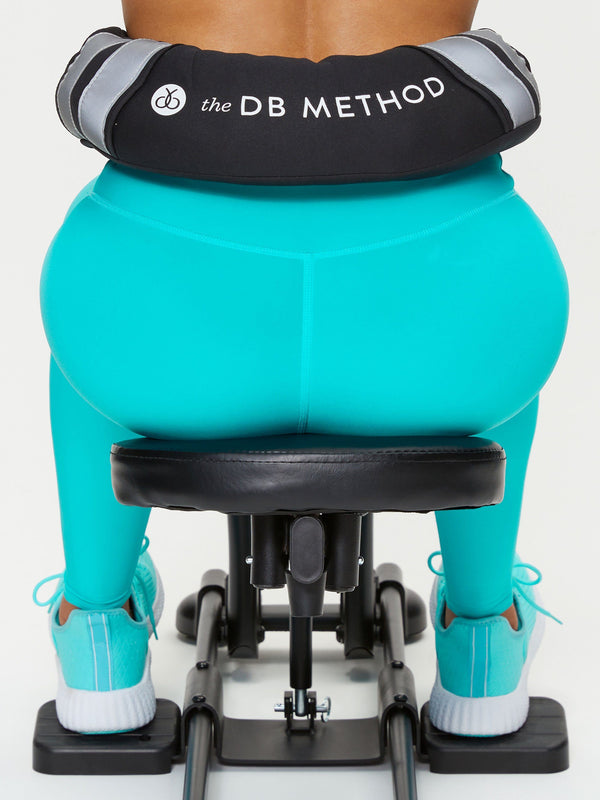
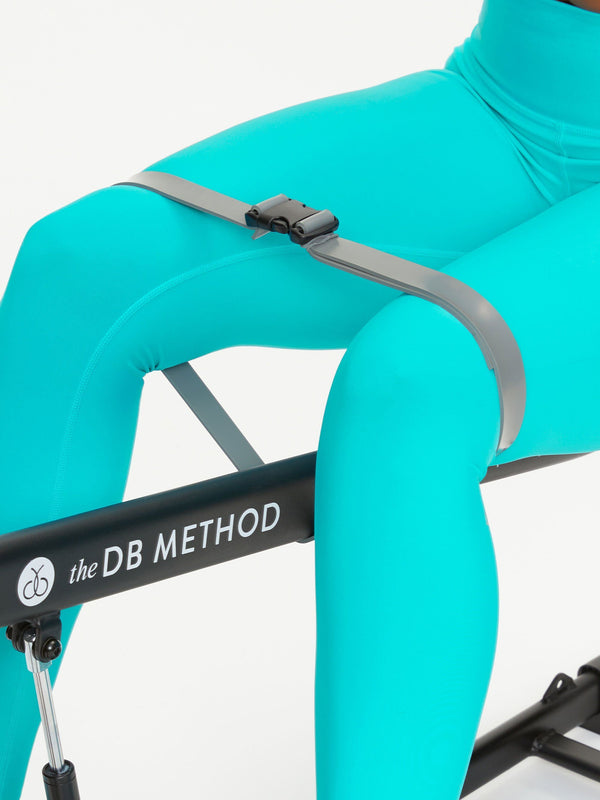
Option 3: DB Method Gentle Recovery Session
Pick this if you want something that feels productive yet easy on your joints. Pick a couple of easy moves:
- Glute squats
- Squat hold
- Super-slow mountain climbers
Use the frame if it helps. Go at a comfy pace for a minute. After you're done, ease down to stretch your hamstrings, calves, and hips out. Just to let your body chill. Finish off in child's pose, breathing nice and easy.
It's just enough to keep your momentum without leaving you wiped out.


Where Active Recovery Fits in Your Weekly Plan
As you crush those intense workouts three times a week, the morning after your toughest session is the time when recovery works best. Grab a walk and sneak in a little stretching. This can really help with the soreness from your workout. Active recovery helps your body feel better after a tough workout.
If you are doing DB Method sessions a lot, you should try to make one or two days a bit easier. On those days, keep it easy, move at a slow pace, and add some stretching. Do not push yourself hard every time. Just take it easy and add some stretching to your routine.
And if you wake up sore, start small. Do a little mobility first, then decide if an easy walk sounds good or if that’s enough for the day.
Common Active Recovery Mistakes to Avoid

Active recovery is meant to make you feel better, but it’s easy to accidentally miss the point. One common mistake is turning an active recovery workout into a “secret hard workout.” If you’re breathing too hard to hold a conversation, it’s no longer recovery. Scale it back until chatting feels easy again.
Another issue is only stretching aggressively when you’re sore. That usually backfires. Better to start with gentle mobility to warm up, then light stretches when your body feels ready.
And sometimes recovery gets skipped altogether. When that happens, choose the smallest option available. Even 10 minutes of rest day stuff is all you need. Consistency beats perfection hands down.
Keep Your Recovery Day Routine Going
Active recovery is a lot easier to stick with when you don’t have to overthink it. A good active recovery workout should feel supportive, not complicated.
The DB Method brings its programs and classes together in one place, so you can choose a multi-week program or a one-off class based on your goal and schedule. That way, even on recovery days, you're still moving with purpose and staying on track toward your goals without going too hard.
Want guidance without overthinking it? Try The DB Method on the Playbook app.