That glute burn can feel like proof your workout is working. It can be a good sign, but it is not the whole story. Feeling your glutes fire up during a set does not always mean they are getting stronger or growing.
Understanding glute activation vs growth helps you train with more intention. In this blog, we’ll break down activation, muscle recruitment, glute development, and strength vs activation, so you know what each one does and how to use them in a smarter lower-body routine.
Why Feeling Your Glutes Is Only Part of the Story
Feeling your glutes work is useful. It tells you your body is finding the right muscles for the movement. That process is called muscle recruitment, and it matters because better recruitment can make each rep more focused and controlled.
But that burn is not the same as growth. A strong burn can come from fatigue, longer sets, or simply holding tension.
Real glute development depends on what happens repeatedly over time:
- Enough resistance
- Good form
- Recovery
- Gradual progression
That is the key difference in strength and activation. Activation helps you use the muscle, while growth comes from training your muscles consistently enough to adapt.
What Glute Activation Actually Means
Glute activation means getting your glute muscles to join the movement when you are working out. It is the “wake-up” step that helps your brain and body work together, so your glutes contribute when you squat, hinge, step, or press.
That is why activation moves like glute bridges, hip thrusts, kickbacks, step-ups, and controlled squats can be helpful before a workout. They build awareness, improve control, and help you feel where the effort should go.
In the bigger picture of glute activation vs. growth, activation helps you use the muscle more effectively. Growth happens when that better connection turns into consistent, progressive training.
What Glute Growth Actually Requires
Glute development is a longer-term process. It is the result of giving your glutes a clear reason to adapt, then repeating that signal with enough recovery in between.
That usually means resistance, controlled form, enough volume, and gradual progression over time. Dynamic hip-extension exercises with external resistance can help grow the gluteus maximus when training intensity and volume stay consistent over time.
Activation helps your glutes show up, while glute growth asks them to keep getting challenged, recovering, and adapting.
Strength vs Activation: Where People Get Confused
This is where strength vs activation gets mixed up.
Activation means your glutes are participating. Strength means they can produce more force, handle more resistance, or complete harder reps with control. Growth is the longer-term result of giving the muscle enough repeated challenge to adapt.
A simple way to separate them:
- Activation asks, “Am I using my glutes?”
- Strength asks, “Can my glutes handle more resistance or harder reps?”
- Growth asks, “Am I challenging the muscle enough over time?”
Hypertrophy and strength training overlap, but they are not identical goals. So, chasing only the burn can lead to plenty of tiring reps without a clear path toward stronger glutes or better glute development.
How to Train for Both Activation and Growth

A good routine does not have to choose between activation and growth. It should help you feel the right muscles first, then challenge them enough to adapt over time.
Use this simple structure:
- Warm up with one activation move, like a glute bridge or controlled hip hinge.
- Move into two or three strength-focused exercises, such as squats, hip thrusts, lunges, or step-ups.
- Add one higher-rep finisher only if your form stays controlled.
- Progress one thing at a time, such as reps, resistance, range of motion, or tempo.
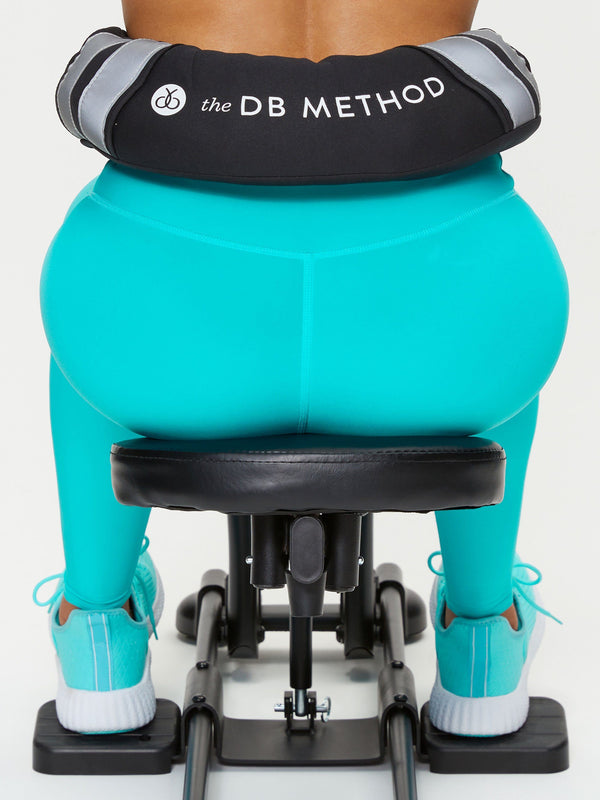
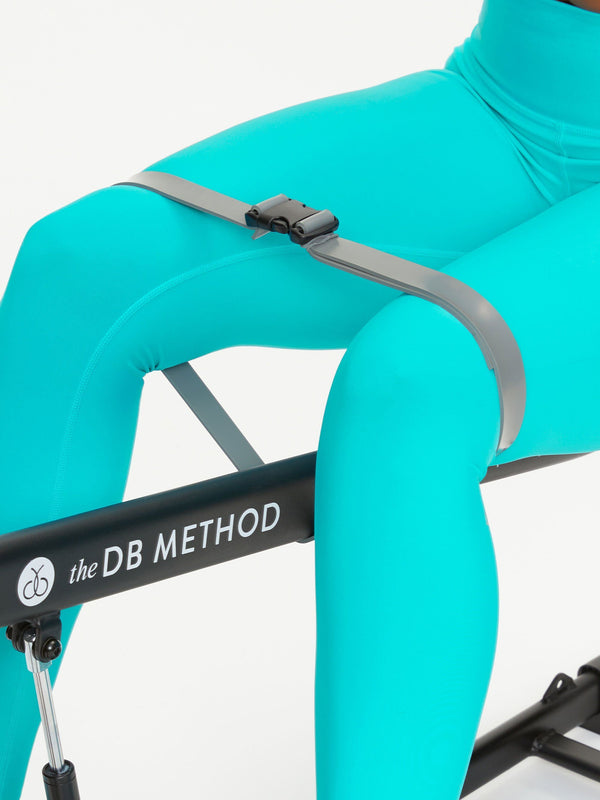
For anyone who has trouble keeping squat reps glute-focused, The DB Method Squat Machine can be a helpful step up. It guides your squat pattern so your weight shifts back into the glutes, making consistent, glute-targeted reps easier to build at home.
Common Mistakes That Keep Glute Growth Stuck
Better muscle recruitment starts with noticing where your reps lose focus. Most plateaus do not come from a lack of effort. They come from effort going in the wrong direction.
Common patterns that can slow glute growth include:
- Doing Activation Work Only: Activation drills build awareness, but they usually do not create enough challenges for growth on their own.
- Rushing Through Reps: Moving too quickly can reduce glute tension and let nearby muscles take over.
- Adding Difficulty Too Soon: More reps or resistance work best after your form feels steady and repeatable.
- Switching Exercises Constantly: Your glutes need repeated practice and progression to adapt.
- Ignoring Recovery: Soreness is not the goal. Adaptation happens when training and rest work together.
When regular squats are hard to feel in your glutes, supported squats can help make each rep more consistent and easier to repeat with control.
When Guided Glute-Focused Training Can Help
Sometimes you know the cues, but your squat still feels hard to repeat. One rep feels glute-focused. The next shifts into your quads. That gap between understanding the movement and executing it consistently is where guided training can help connect glute activation and glute growth in a practical way.
The DB Method Squat Machine is designed to guide the squat pattern and shift weight back into the glutes, so your reps feel more controlled and repeatable. It is also easy on knees and joints, which can make at-home lower-body training feel more approachable.
For extra structure, The DB Method on the Playbook app offers guided routines you can pair with machine training.


How to Tell If Your Glute Training Is Working
Soreness is not the best measure of glute development. These signals are more reliable:
- You feel the glutes more consistently during key movements.
- You can control the same movement with better form than before.
- You can gradually add reps, resistance, range, or tempo.
- Your lower-body routine feels more repeatable and intentional.
- You are not relying on soreness as the only sign of progress.
That is the kind of progress worth tracking because it shows your routine is becoming more controlled and easier to repeat.
FAQs
Does glute activation build muscle?
Activation helps the glutes participate in a movement, but muscle growth also requires resistance, consistent progression, and recovery.
Is muscle recruitment the same as muscle growth?
No. Recruitment means the muscle is being used during a movement. Growth is the longer-term adaptation that comes from repeated training stress over time.
Can you grow glutes without heavy weights?
Yes, especially for beginners, if the workout applies enough resistance, control, volume, and gradual progression. Growth is about giving the muscle a challenge it can adapt to over time.
What matters more, strength or activation?
Both serve a purpose. Activation helps target the glutes during movement, while strength and progressive challenge build capacity over time.
Make Every Glute Rep Count With Better Mechanics

Activation helps you feel your glutes, while growth comes from giving them enough consistent challenges to adapt. The best routine brings both together with controlled reps, smart progression, recovery, and form you can repeat.
That is what turns effort into a stronger training plan.
For anyone who wants squat-style movement to feel more glute-focused at home, The DB Method Glute Workout Machine offers a guided, low-impact way to build more consistent reps from the start.
Explore The DB Method Glute Workout Machine to make glute-focused reps easier to repeat at home.