A lot of people trying to build glutes end up doing the same thing: going lower and lower in their squats, hoping that extra depth will finally make a difference. But no one really tells you whether that depth is actually loading your glutes or just making the rep feel less connected.
That is where the frustration builds. Your quads take over, your form starts to feel shaky, and even with consistency, you are not seeing much change. The missing piece is not effort; it is understanding.
In this blog, we’ll break down how glute depth, anatomy, and squat mechanics all shape the way you build glutes.
What Depth Really Changes When You Build Glutes
When people talk about range of motion, they usually just mean how low you go. But if your goal is to build glutes, that definition is way too basic. What actually matters is whether that extra depth is keeping tension on your glutes or shifting it somewhere else.
You’ll hear a lot about “full ROM” in fitness spaces, but for glute growth, it’s not about hitting the lowest possible position. It’s about loading your glutes in a longer, stretched position where they can actually do the work.
So the real goal is to go as deep as you can while still feeling your glutes in control, instead of simply going lower for the sake of it.
Why Glute Depth Matters More Than Going Lower
It’s really easy to get caught up in going as low as possible just because it looks better, but that doesn’t mean it’s doing more for you. Glute depth isn’t about how deep the rep looks; it’s about whether your glutes are still doing the work when you get there. If you’re just dropping into the bottom without control, you’re not really gaining anything.
But when your depth is controlled, everything feels different. You stay stable, you keep that tension where you want it, and your glutes are actually working through that deeper range instead of switching off. That’s the difference: productive depth builds, performative depth just looks hard.
Why Your Best Glute Squat May Look Different
Not every solid glute squat is going to look the same, and honestly, that’s a good thing. The way your squat looks always comes down to your body: how your hips are built, how long your legs are, and how your torso moves when you sit into the squat. So if yours doesn’t look like someone else’s, that’s really not a problem. It’s just how you move.
And this is where a lot of advice starts to feel too rigid because it may feel like there’s one perfect version to copy. There isn’t one. Instead of focusing on how your squat looks, try asking something more useful: Can you get deep enough to actually load your glutes and still feel in control down there? That’s what really matters.
How Anatomy Shapes Your Glute Depth
Some of your glute depth is honestly just down to how you’re built, like how your hips sit or the way your thigh bone is angled. You’ve probably noticed it before: someone drops into a squat, and it looks super smooth and upright, then you try it, and it just feels a bit off.
That doesn’t mean you’re built “wrong” or need to force it. It just means your version of depth will look a little different. The goal isn’t to match someone else; it’s to find the deepest position you can control and actually use your glutes in.
What Better Mobility and Control Can Change
Most people think they just need to push harder to get deeper, but that is rarely the real issue. More often, something in the movement is struggling to adjust. Your squat depends on how your ankles bend, how your knees move, how your hips sit back, and whether your torso stays steady as you lower.
That is why depth is not just about trying harder or pushing lower. It is more of a system. When those pieces move well together, depth opens up naturally. And in most cases, it is not more ambition you need. It is a cleaner movement and a setup that actually supports you.
Squat Mechanics That Help You Build Glutes

You do not need to overthink every small detail to improve your squat. When your squat mechanics are working well, it becomes easier to move into depth. You are not forcing it; you are just moving into position.
Lower Body Chain Affects Depth
Think about your body as one unit. Your feet, ankles, knees, and hips all work together. If one part does not feel right, the whole squat usually does not feel right either. Squat mechanics often start with your feet.
- Stay grounded instead of leaning forward.
- Put all your weight into your heels.
- Let your knees move a little.
- Let your hips lower naturally.
One important thing people often forget is ankle movement. If your ankles feel stiff, everything above them has to work harder, and squatting deeply gets more difficult. But when all of this works together, your squat feels more natural. It feels like you are moving with your body, not against it.
Your Torso Matters More Than You Think
A lot of people think glute depth is just about hips and legs, but your torso plays a bigger role than you’d expect. The way your chest stays lifted, how your pelvis sits, and how your upper back moves all decide whether you can go deeper without your lower back taking over.
Sometimes a squat feels shallow, not because your glutes are weak, but because your torso can’t stay steady as you go down. And when that happens, your body cuts the depth short to stay safe.
Once you start keeping your torso more connected, you’ll feel the difference almost instantly. The movement feels smoother, and the right muscles start kicking in earlier.
How to Build Glutes With Better Depth at Home
If you are trying to build glutes at home, you probably do not need more exercises. You just need to change how you are doing the ones you already have. When you slow on the way down and pause for a second, each rep feels completely different.
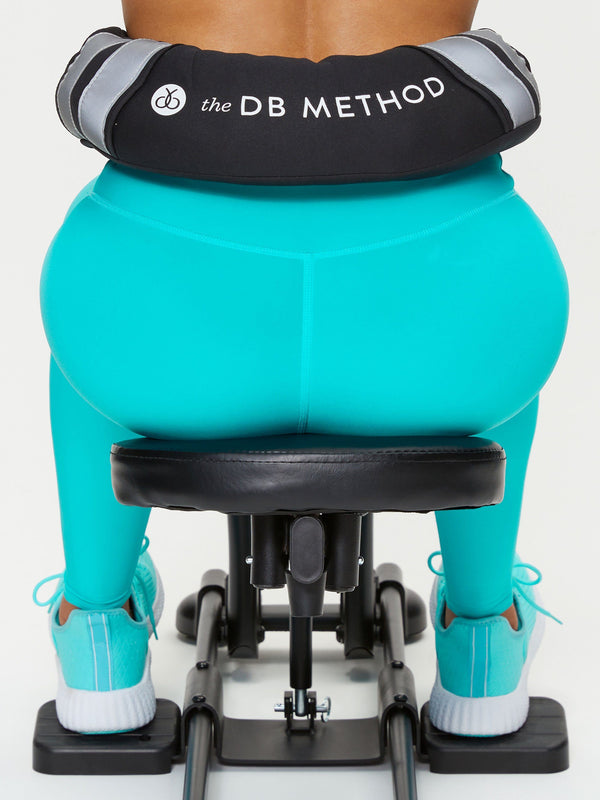
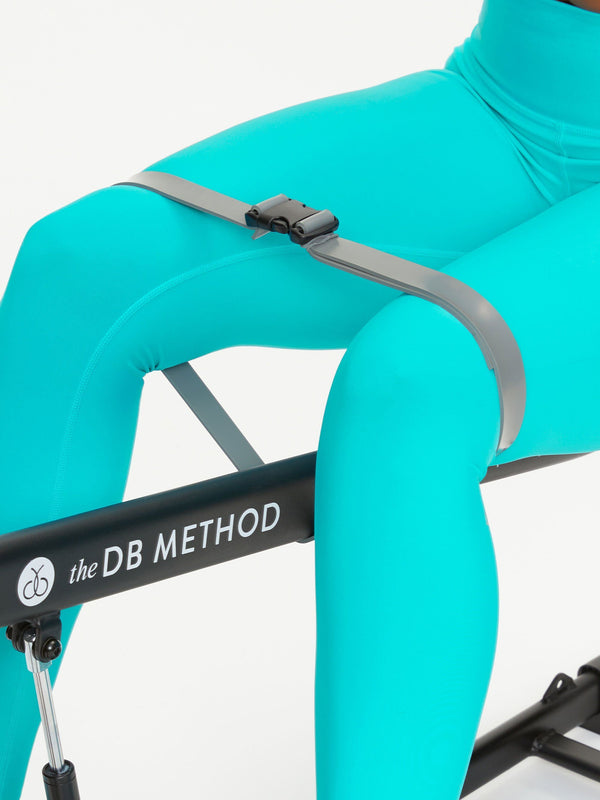
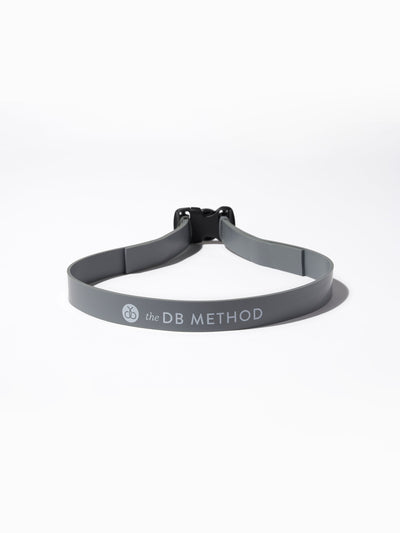
Keeping your setup consistent helps too. Use the same stance and rhythm so your body doesn't have to guess with every rep. And when a little extra help makes sense, The DB Method machine can make things feel a lot easier to figure out. It guides you into a position where your glutes actually do the work, so you are not overthinking it or putting extra stress on your knees or lower back.


Simple Cues to Feel Your Glutes Sooner
When you are doing a rep, try to slow down on the way down. Do not bounce back up from the bottom. Instead, push back up to the top while keeping your feet grounded. Building glutes comes down to these little changes.
And give it a few reps to click. It usually does not happen instantly, but once it does, you will know. And when a little more structure helps, The DB Method on the Playbook app can guide you step-by-step so you are not guessing what to fix next.
The DB Method Helps You Build Glutes With Control

At the end of the day, if you want to build glutes, it is not about doing the deepest squat you have ever done. It is about being in control of the depth you can actually handle. Think of it like this: first, build control. Then work on depth. Then keep repeating that over time to build your glutes.
Instead of trying to fix everything at once, pick one thing that feels off, clean it up, and stick with that version for a couple of weeks. That is usually when you start to notice what is actually helping.
For extra support, The DB Method machine and The DB Method on the Playbook app can help you stay consistent without overthinking every rep. That way, it becomes easier to repeat the kind of glute work that actually builds over time.
Build depth you can actually control and feel in your glutes with The DB Method Glute Machine.