You do not need a full rack of gear to get a good glute workout. The machine handles the heavy lifting, and the baseline routine works without a single add-on.
Accessories become worth considering when one specific part of your session could feel better, whether that means more challenge, a steadier setup, more variety in movement, or better prep and recovery.
In this blog, we’ll walk through each tool worth considering, what it actually helps with, and which ones are easy to skip for now.
How to Think About Workout Accessories for Glutes
Every workout accessory for glutes falls into one of four jobs:
- Add challenge
- Improve setup
- Add movement variety
- Support recovery
When you know which job you need done, choosing the right tool becomes straightforward. The best first add-on is rarely the most advanced one. It is the one that removes the biggest friction point in your current routine.
A weighted belt might look like the obvious upgrade, but if your setup feels unstable or your warm-up feels stiff, fixing those things first will do more for your results.
Which Accessories Can Support Your Workout Best
Use the sections below to choose based on need, not on what looks most impressive.
Resistance Bands
Resistance bands are worth adding when your goal is to increase tension in the lower body or to add variety to your squat-based work. A band changes how a rep feels, especially by increasing the challenge at the top of the movement, where the glutes are most engaged. That extra tension can make familiar exercises feel more demanding without changing your whole routine.
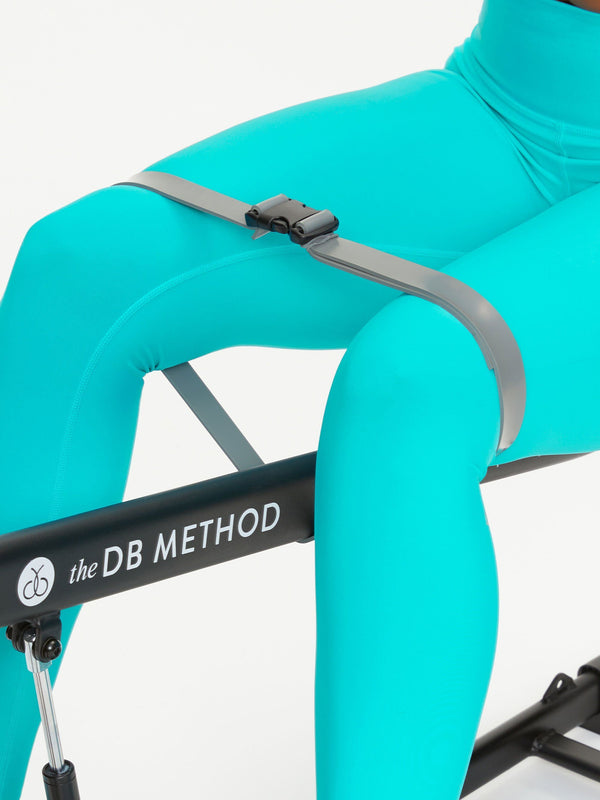
This is a smart option once your squat pattern already feels comfortable and controlled. If you are still building consistency, bands are not essential. But when you are ready for more range or a bit more challenge, resistance bands like The DreamBand Pro can help, especially for advanced squat variations that require a wider range of motion.
Ankle Weights
Ankle weights are a smaller progression step than a weighted belt, which makes them a good fit for people who want to increase difficulty without changing the structure of their session. They add load to familiar movements rather than overhaul the workout.
They work well during machine squats with arm swings, or carried into walks and runs outside of the main session. For such smaller progression steps, The Dreamlets works well. They are 2 lb wrist or ankle weights, so they add a little more work to familiar movements without changing the structure of the session.
Weighted Belt
A weighted belt is a later-stage tool. It works best once your baseline workout already feels controlled and repeatable, and no longer challenging. At that point, a belt gives you a more noticeable jump in difficulty than bands or ankle weights alone.
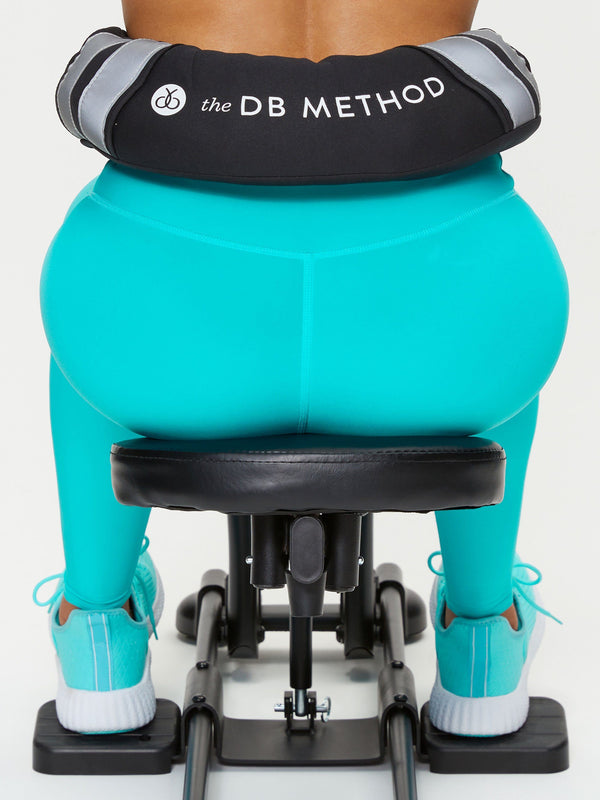
The key distinction here is progression, not correction. A belt will not fix form or make a session work better for beginners. When the baseline workout starts to feel very manageable, The DreamBelt is an add-on that can raise the challenge in a more noticeable way. Because it adds 10 lb at the hips, it works better as a progression tool than a starting point.
Disk Sliders
Disk sliders are more useful for variety and quality of movement than for raw resistance. They fit best around the main workout: warm-ups, full-body transitions, and add-on movements that make a session feel more complete.
Good examples include alternating leg curls, mountain climbers, and lateral lunges. Each of these asks the lower body to work through a controlled range of motion with light friction as the challenge. If you want sliders that work across different home setups, The DreamDiscs are designed to glide on hardwood, carpet, and tile.
Workout Mat
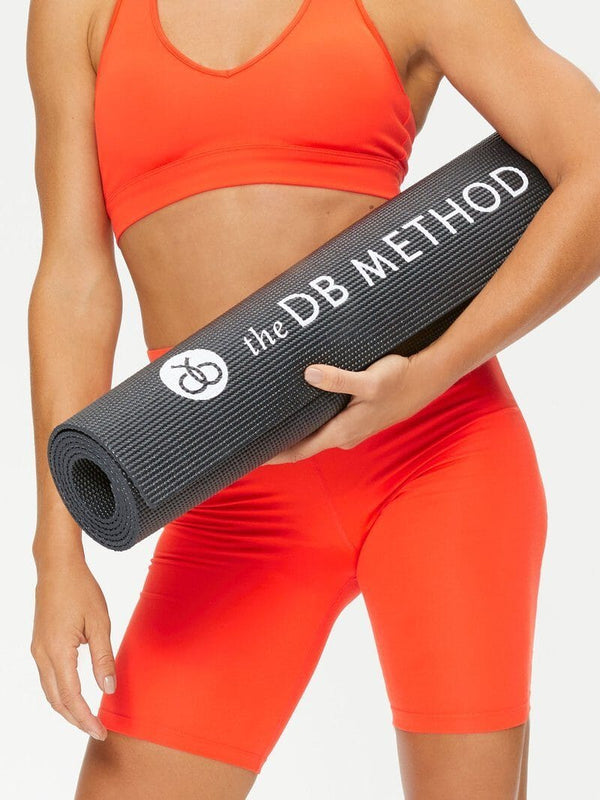
A workout mat is a setup tool. It matters most when you want better stability and traction around the machine and a dedicated surface for warm-up and cool-down work. It does not change the difficulty of the workout. It changes how the space around it feels.
When setup feels simpler, and the surface underfoot feels stable, the routine is easier to repeat day after day. The DreamMat works for both on- and off-machine use, adding stability and traction to the workout area.
Foot Ramp

A foot ramp is a fit-and-positioning upgrade, not a general recommendation for every user. It is best suited for people who want more support around foot placement on The DB Method squat machine, more emphasis on the posterior chain, or a setup that feels more accessible for shorter users.
This is about refining the machine experience, not about making basic workouts possible. If you want more support with positioning, The DreamRamp Pro is one of the more useful upgrades to know about. It clips over the existing footramps and is designed to support squat form, posterior-chain activation, and a more accessible setup for shorter users.
Phone and Tablet Holder
A phone or tablet holder matters most to people who follow guided sessions and want the screen at eye level, rather than stopping mid-set to check cues. That small friction point adds up over time.
Less interruption during a follow-along workout makes the session easier to repeat. The DreamMount is custom-designed for The DB Method machine, fits most smartphones and tablets, and uses a flexible gooseneck so you can adjust the viewing angle without stopping your session.


How to Choose Your First Workout Accessory
If you are not sure where to start, let us help you pick an accessory based on the friction point in your current workout:
- Want more lower-body tension or more squat variation? Start with resistance bands for glutes.
- Want a light difficulty bump? Start with ankle weights.
- Want a steadier setup? Start with the workout mat.
- Want better foot positioning on the machine? Start with the foot ramp.
- Want more warm-up and add-on movement variety? Start with disk sliders.
- Want easier follow-along workouts? Start with the phone and tablet holder.
- Want a stronger progression step because the workout already feels easy? Consider the weighted belt once the baseline feels solid.
One clear problem, one clear tool. That is the most efficient way to build out a setup that actually gets used.
Start With the Accessory That Helps Most

The real takeaway here is simple: accessories are most helpful when they solve one clear issue in your current routine. A good workout does not depend on owning every add-on, and buying several tools at once rarely improves the session. It mostly adds clutter.
The most useful accessory is the one that improves the part of the session you notice most. For some people, that is setup; for others, it is progression; and for others, it is simply making the routine easier to follow.
Explore The DB Method Workout Accessories and find a clear upgrade that makes your workouts easier to follow and repeat.