You can work out all week and still have your posture give out the moment you stand up from a chair, carry groceries, or rush up the stairs. Sound familiar? That’s usually not a motivation problem. It’s a connection problem.
Most people think a glutes-and-core workout is about abs and aesthetics. But when your glutes and core aren’t working as a team, your low back and hips end up doing stabilizing work they were never meant to handle all day. That’s when workouts feel like effort without payoff.
In this blog, we’re breaking down the simple connection most routines skip and giving you a plan that trains your glutes and core together so your posture workout actually carries over into daily movement.
Posture Starts at the Pelvis, Not the Shoulders
When we think about posture, most people immediately pull their shoulders back and lift their chest. But posture is mostly an alignment job, and real lower body alignment begins where your spine meets your hips.
Your pelvis is the base your spine stacks on. If that base tips too far forward or tucks too far under, your ribs and low back usually follow. The entire chain adjusts, whether you realize it or not.
Your glutes let you stand tall. And your deep core? That’s the quiet stabiliser. It keeps your ribs and pelvis stacked so your lower back doesn’t have to grip and tense all day just to keep you upright. When you train these systems together, your posture stops being a separate drill you try to hold and becomes the way your body naturally moves.
Signs Your Glutes and Core Aren’t Teaming Up
Before changing your posture workout, notice the small signs your body’s been giving you. When your glutes and core aren’t syncing up, it usually shows up in simple, frustrating ways.
- Bridges feel mostly like hamstrings instead of your glutes.
- Squats leave your quads and lower back working harder than your glutes.
- You wobble a lot when standing on one leg.
- You brace for a few seconds, then your ribs flare and your lower back arches.
- After sitting, you stand up, and your hips feel stiff while your glutes feel asleep.
These patterns are extremely common, especially after long days at the desk. The good news? They improve quickly when you practice the right sequence. Next, let’s fix the missing cues most workouts skip.
3 Cues That Level Up Your Glutes and Core Workout

This is the part most programs skip, and it’s usually the missing link.
Cue 1: Stack Ribs Over Hips for Lower Body Alignment
Skip the big chest lift. Just soften your ribs down so they sit right over your pelvis. Keep your ribs from flaring and your pelvis from tipping forward. When you find this position, your glutes can extend the hip without your lower back stealing the movement.
Cue 2: Brace and Breathe for Core Stability
A brace is not the same as sucking in your stomach or doing a hard crunch. Think of it as a light, steady tension around your middle, like your core is gently holding you in place while you move.
You should feel supported, not tight or breathless. If you cannot take a slow breath out while holding that tension, you are bracing too hard, so back off a little.
Cue 3: Hinge and Squat With Control
Start by sending your hips back, then lower down. Let your knees move comfortably and keep your feet planted. Stability isn’t about being stiff. It’s about resisting unwanted movement while you move well.
Once you own these cues, even a simple routine becomes a powerful alignment tool.
15-Minute Glutes and Core Workout for Better Posture
This is the part where you put it together. This glutes and core workout isn’t complicated; it’s about moving well, feeling the right muscles, and building strength that actually carries into real life.
Step 1: Prep the Hips and Stack (3 minutes)
Before you load anything, you want the hips moving and the ribs stacked for better lower body alignment.
- Start with 90/90 hip rotations. Move slowly and stay in a comfortable range. Sit tall through your spine and don’t force the end position.
- Next, do 2-3 slow cat-cow cycles. Let your spine move, then finish in a neutral, not overly arched position.
- Then try a wall stack breath. Stand with your back lightly against a wall and place your hands on your ribs. Take a slow exhale and just feel your ribs gently drop and settle.
By the end of this prep, you shouldn’t feel stretched or loose. You should feel a little more put together and a little more aligned.
Step 2: Strength and Stability Circuit (10 minutes)
Now you’re going to alternate between your glutes and core to help your body stay steady while building strength.
- Glute Bridge: Keep your ribs down and drive through your midfoot. Squeeze your glutes at the top, but do not let your lower back arch. When your ribs stay stacked, the bridge helps your hips and core work together.
- Dead Bug: Keep your lower back quiet against the floor and exhale as your leg reaches. If needed, start with heel taps instead of full leg extensions.
- Supported Squat to Chair: Send your hips back first, then lower down. Stay tall and stop before your form slips. If needed, use a higher chair or reduce reps.
- Bird Dog: Keep your hips level, reach long, and do not rotate. This classic move shows up in many core stability exercises because it teaches control while you move.
The goal is challenging but controlled, not shaking just to survive the reps.
Step 3: Posture Finisher for Glute Med and Alignment (2 minutes)
This is the piece that makes your posture workout carry into standing and walking. Start with side-lying hip abductions. Keep your toes slightly down, don’t roll back, and focus on feeling the outer hip. If you’re ready, add marching bridges. Keep your hips level and make the march small and controlled.
When you stand up afterwards, you should feel taller and noticeably steadier through your hips.

How to Use a Squat Machine in This Routine
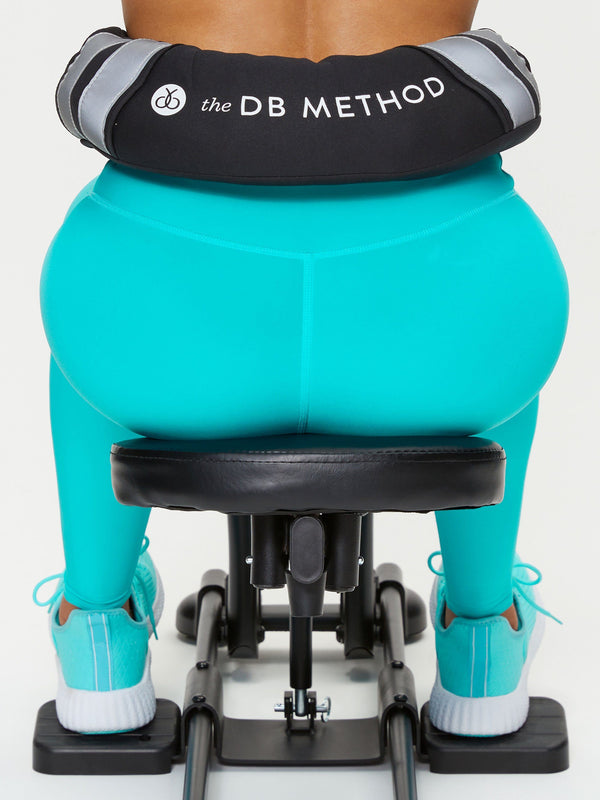
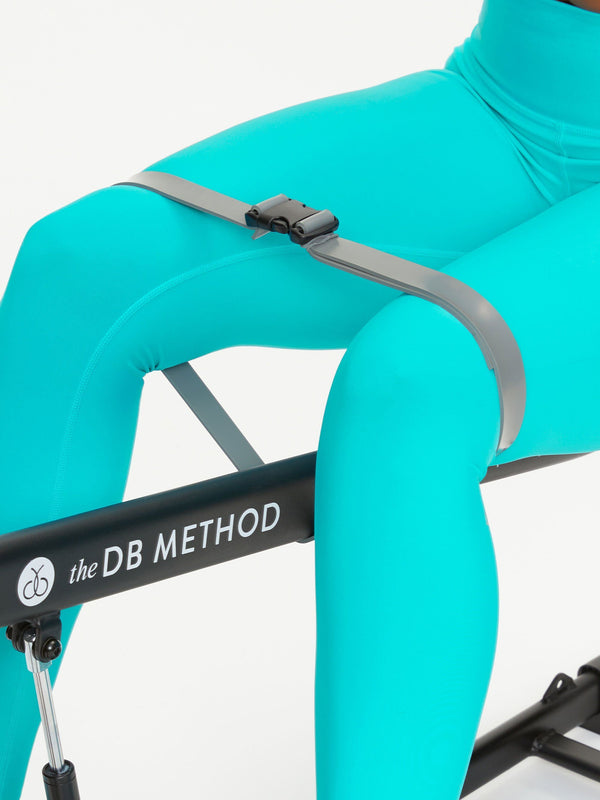
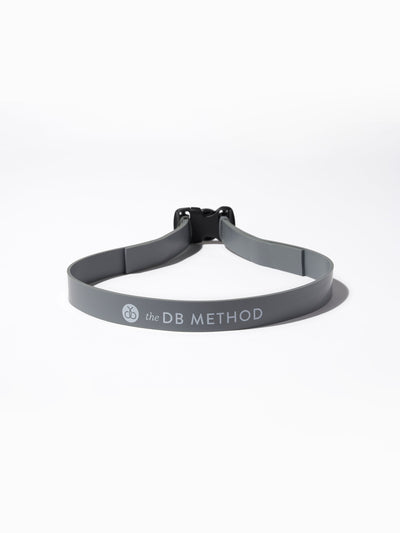
When you use The DB Method Machine with good form, the routine becomes more than just a squat; it becomes a full glutes-and-core workout that supports your posture.
The patented design helps guide you into better squat mechanics, so you naturally sit back into your hips and feel deeper glute activation instead of your lower back taking over.
You can use the machine as your main lower-body move, then add one or two core stability exercises from the circuit, like dead bugs or bird dogs, to round out the session.
The machine supports you, but the real magic comes from how you move through each rep.
Train Posture From the Hips Up, Not the Shoulders

When your glutes and core learn to work together, posture stops being something you constantly try to fix and starts becoming how you naturally move. That’s what a well-built glutes and core workout should do. It should help you stand taller without thinking about it.
If you want something simple to use at home, The DB Method Machine helps guide your squat so you actually feel your glutes working, while your core naturally supports the movement.
Ready to put it into practice? Explore The DB Method Machine and start training posture from the hips up.