Have you ever reached the mile and noticed your knees start to shake? That’s your glutes surrendering. Your glutes stabilize your hips, assist your knees in moving, and provide that extra boost during running. When they’re powerful, running simply feels smoother. Less pain, increased pace, and more enjoyment.
The great part is you don’t need fancy gym equipment for this. A few targeted glute exercises for runners done at home can make a huge difference in hip stability, support injury prevention exercises, and even help you run a bit faster.
In this blog, we’ll cover a quick 5-minute activation, the key glute strength pillars, two at-home circuits, plug-in weekly schedules to support your miles, and how The DB Method’s assisted, glute-first squats can slot in perfectly for your low-impact, effective training.
Why Hip Stability Matters for Runners
Ever notice that toward the end of a run, your knees start wobbling a bit? That’s usually your hips getting tired and your glutes checking out early. And honestly, they do more than just look good.
Strong glutes help keep your hips steady, help your knees track cleaner, and give you a more powerful push-off. When your glutes are doing their job, your stride often feels smoother and more controlled, especially when fatigue kicks in.
The good news is you can build this with simple at-home work. Think of it as runner cross-training that supports your runs, not something that competes with them.
At-Home 5-Minute Warm-Up for Runner Cross Training
A warm-up can do wonders for actually activating your body. Perform each movement for no more than 30-45 seconds. If possible, go through 1 or 2 cycles.
- Begin with marching hip openers to loosen your muscles.
- Then progress to glute bridges, holding for a moment at the peak to engage your glutes.
- Do standing hip abductions without a band to wake up the side glutes.
- Conclude with mini-squats and gentle heel taps to keep your hips turned on.
The idea here is simple: wake up your glutes without tiring them out. Slower, controlled reps help you feel your glutes working without needing a ton of volume.
Best Glute Exercises for Runners at Home
Your glutes handle much of the work each time you run, so targeting them effectively in training makes sense. These exercises focus on the areas that support power, stability, and run-specific strength.
Hip Extension for Stronger Push-Off
Begin with bridges or hip thrusts, hold for one second at the peak, and repeat 12 times. When this becomes easy, progress to single-leg bridges and do 6-8 reps on each side. Maintain a neutral spine and press through your heels.
Hip Stability Moves for Injury Prevention
Side-lying abductions, clamshells, and lateral step-walks are great here. Aim for about 12 reps on each side. Band or no band is fine. The point is to wake up your side glutes because those help keep your hips from tipping and your knees from collapsing inward.
Single-Leg Strength Training for Runners
Step-ups (8-10 reps each leg), split squats or reverse lunges (8-10 reps each leg), and single-leg Romanian deadlifts (6-8 reps each leg) help your legs handle the kind of single-leg load you see in running.
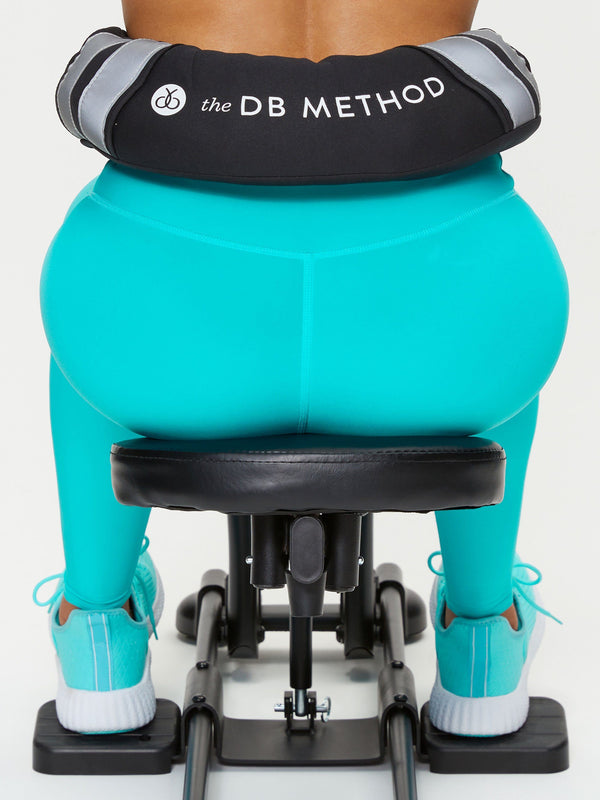
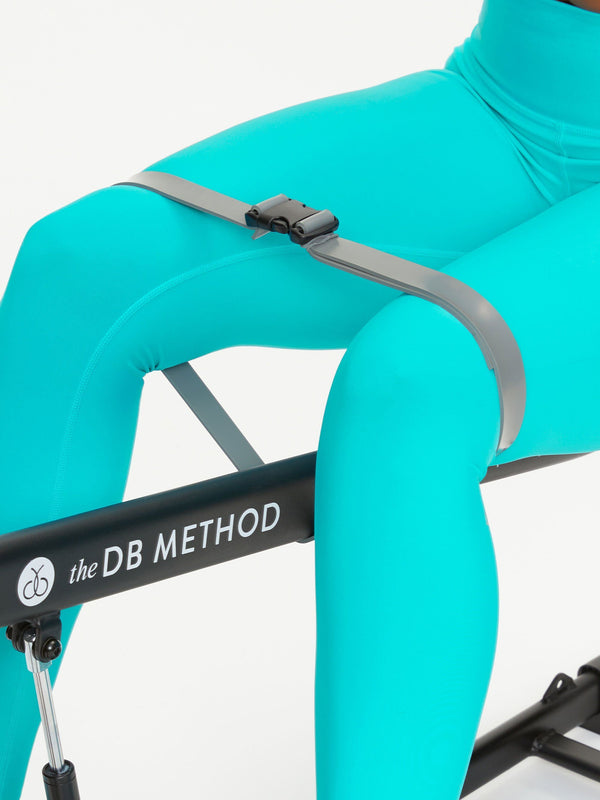
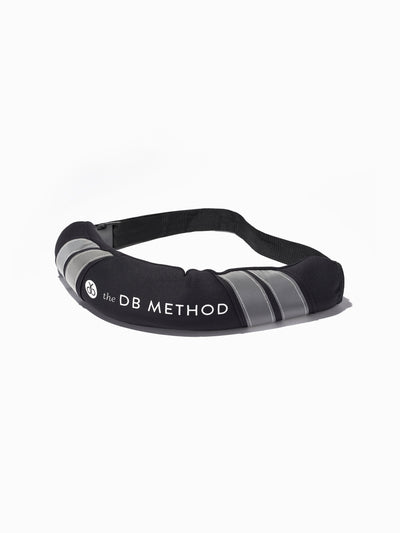
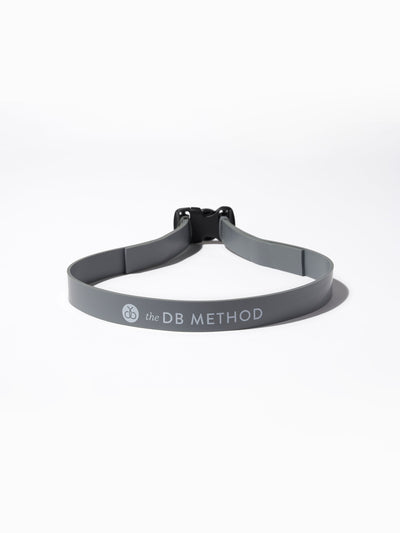
If squats feel too quad-heavy or your knees get cranky, The DB Method Glute Workout Machine is a great option. You can easily slot it between run days to keep your glutes strong with low-impact, glute-focused training.

Strength Training for Runners Weekly Schedule
You don’t need a complicated strength plan to support your running. Two brief sessions weekly can work well and fit into most training schedules. Here’s an easy approach to organizing it.
Two times a week, strength, around 15-20 minutes:
- Day 1: Start with your warm-up, then do hip extension work first. Follow it with side-glute work.
- Day 2: Warm up again, go into the single-leg moves, and finish with a little hip extension work to wrap things up.
You can do these after a light run or on a non-running day. If you can fit in two short sessions, you’ll usually feel the difference without wrecking your legs.
On busy weeks when everything is chaos, go for a simple 10-minute routine. Do a couple sets of bridges, then side-lying abductions for 12 each side, and step-ups for 8 each side. It wakes your glutes up just enough to keep them engaged, without leaving you sore.
Form Tips to Protect Your Running Stride

If your knees start falling in during squats or lunges, try keeping them stacked over the middle of your foot. Slow down, too. A lot of wobble disappears when you’re not rushing.
For your hips, think about stacking your ribs over your pelvis. It sounds technical, but it basically means standing tall without over-arching your back. Start with a smaller range of motion instead of trying to go super deep right away. A steadier range often feels better and keeps the right muscles working.
Once things start feeling clean and easy, that’s your sign to make it a tiny bit harder. Add a slower tempo, a small hold, or one extra set. Those small tweaks can make your glutes work harder without adding impact.
Runner Cross Training Circuits at Home
Here are two super doable at-home circuits that won’t have you hopping around or waking the whole house. They take about 12 to 15 minutes, so you can slot them into your day without making it a big event.
Circuit A: Hip Stability and Drive
If your knees start wobbling late-run, start here. These moves teach your hips to stay steady when the pace gets sloppy.
- Do 12 bridges with a small pause at the top.
- Do 12 side leg lifts per side, slow and controlled.
- Do 8 step-ups per leg.
- Hold a split squat for 30-45 seconds on each side.
- Finish with one minute of easy breathing so your legs settle down.
These are basics you’ll see often because they support steadier hips and cleaner knee tracking.
Circuit B: Glute Hinge and Control
When your legs feel heavy, hinge work helps. You’ll hit glutes and hamstrings without a lot of joint stress.
- Start with a hip hinge or “good morning” for 10 reps.
- Do single-leg RDLs for 6-8 per side.
- Do clamshells for 12 per side.
- End with a wall sit for 30-45 seconds.
This one targets your posterior chain and reinforces hip control, which matters a lot for runners.
If you want something that helps with posture and doesn’t take up space, The DB Method Glute Workout machine is an easy add-on. It folds flat, sets up fast, and the design shifts the work into your glutes. You can use it as a squat-focused training option alongside your at-home routine, or add a short session when you want extra glute work.
How to Add Glute Work to Run Days
You can fit this into your running week without making things complicated.
- Monday: Easy run with Circuit A (short)
- Wednesday: Speed or tempo session, no lifting
- Friday: Easy run with Circuit B
- Saturday/Sunday: Long run with light mobility only
When the weekend long run comes around, skip the heavy stuff and stick with gentle mobility. This keeps the strength work away from your intense days and lets everything stack together without leaving you wiped out.
2-4 Minute Cool-Down After Running

After you’re done, spend a few minutes stretching so your legs don’t hate you later. Do a figure-4 for your glutes, 20 to 30 seconds each side. Then pop into a half-kneel hip-flexor stretch for the same amount of time, and hit your hamstrings for 20 to 30 seconds per side.
End with a minute of breathing slowly through your nose and letting your body relax. A few minutes here can make your next run feel better.
Build Runner Glutes at Home
If you want squats that actually hit your glutes and don’t leave your knees screaming, check out The DB Method Glute Workout Machine. In about ten minutes, you can get low-impact, glute-focused reps with posture guidance, and it folds flat when you’re done. It’s easy to fit into a busy week, and it pairs with trainer-led programs on The DB Method on the Playbook app.
Build runner-ready glutes at home with The DB Method Glute Workout Machine, and take the strength to every mile.