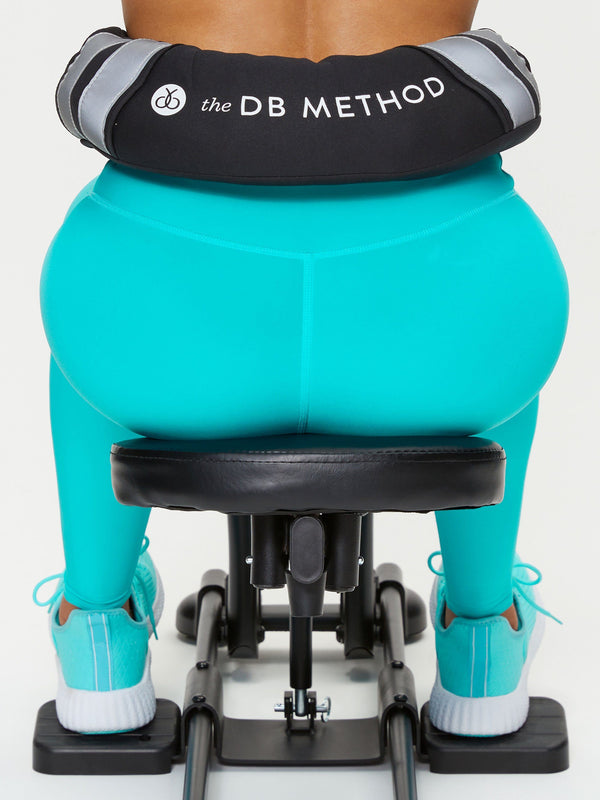
Lower-body workouts can become repetitive after a few weeks. You squat, you lunge, you repeat, and somewhere along the way, the glutes stop feeling like the main event.
The fix is not always doing more reps or adding more exercises. Sometimes the answer is changing the kind of resistance and where it shows up in the movement. Resistance bands for glutes are one of the most practical tools for that shift.
In this blog, we will cover when bands help most, which moves get the biggest benefit, and how to keep band work effective over time.
Why Resistance Bands Work So Well for Glute Training
Resistance bands are a form of strength training. The resistance increases as the band stretches, meaning the muscle works harder toward the end of the range, exactly where the glutes tend to produce the most force. Elastic resistance training can produce strength gains comparable to those of conventional resistance training.
When you use resistance bands for glutes, the tension makes it easier to notice when your glutes are working and when they are not. That awareness keeps you focused through each rep and adds real challenge without needing heavy equipment
Bands do not automatically improve every movement, though. They work best when they improve the setup, support the movement path, or enhance the quality of the contraction. The goal is better training, not just more burn.
Where Bands Fit Best in a Glute Workout

Resistance bands have a role in every part of a session, not just warm-ups. Think of three clear positions: prep work, main-work support, and finishers.
Prep Work
A resistance band above the knees during clamshells or side-lying abduction wakes up the hips and helps the glutes register tension before bigger movements. This improves proprioception, hip stability, and mind-muscle connection as you go into the main set.
Main Workout
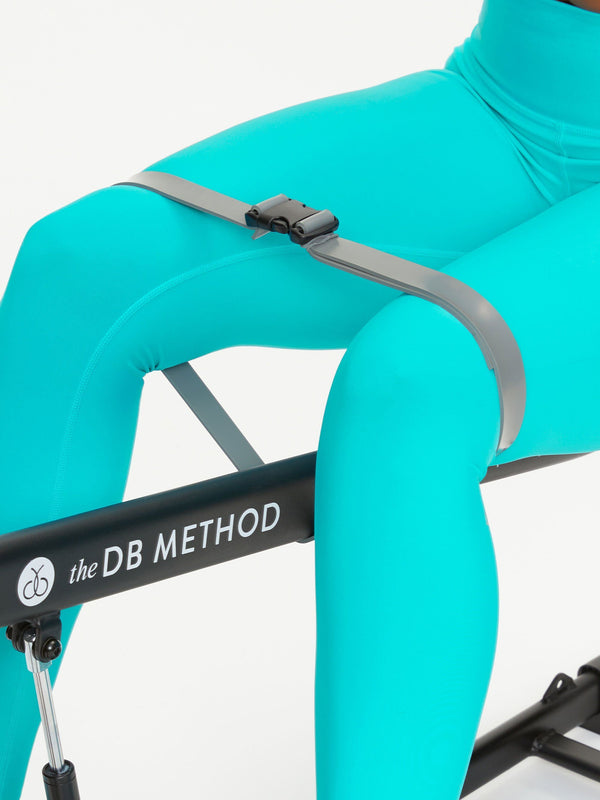
Bands can add resistance or improve movement intent during lower-body patterns like squats and hinges. A resistance band or a mini loop band placed above the knees in a squat cues the hips to stay wide and keeps the glutes engaged through the full range.
Finishers
A short banded finisher extends effort with control. The goal is quality reps, not random volume. Lateral walks or standing abductions at the end of a session keep the outer glutes working without adding load to tired joints.
Knowing where the band belongs in each move makes the session feel more deliberate and productive.
Best Banded Moves for More Productive Glute Sessions
A short list of well-chosen moves beats a long list of random exercises. Here are four that consistently add value to a glute-focused session.
Banded Squats
Place a resistance band just above the knees. Push the knees out against the band throughout the rep. This cues the glutes to stay active, creates a stronger lower-body awareness, and makes it harder for the knees to cave inward. The goal is to feel tension in the outer hip and glutes from start to finish.
Glute Bridges or Hip Thrusts
A resistance band above the knees adds abduction demand at the top of the rep. Drive the hips up fully, squeeze at the top, and hold for one count. This builds end-range control and trains the glutes through their full shortening range.
Lateral Walks
Place the resistance band above the knees or around the ankles and take controlled side steps. This targets the outer glute and improves hip stability. Keep the torso upright and avoid letting the hips shift side to side.
Standing Kickbacks or Standing Abduction
These are simple, targeted moves that work well at home. Kickbacks emphasize the gluteus maximus through hip extension. Abduction targets the outer hip. Both require slow, controlled movement to stay effective.
Each move earns its place in the session because it trains a specific quality: awareness, squeeze, stability, or targeted activation.


How to Progress Resistance Band Tension
Tension progression means gradually making banded work more demanding in a way that the body can adapt to over time. The most common mistake is thinking progression only means switching to a higher-resistance band. There are several better options to try first:
- Slow the tempo, especially on the way down.
- Add a pause at the point of peak contraction.
- Increase reps or add a set before moving to a more demanding band.
- Use the same band in a harder movement pattern.
- Move to a more demanding band only when all other variables feel solid.
If movement quality falls apart as tension increases, technique needs attention before the band does. Form breakdown is a signal to reset, not push through.
When The DreamBand Pro Is Worth Adding
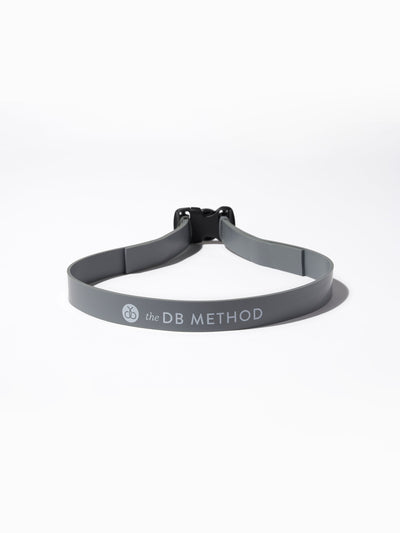
If you are already comfortable with squat variations and looking for more from your at-home setup, The DreamBand Pro is worth knowing about. It is a 45 lb medium-resistance band designed to help build strength and increase mobility.
The DreamBand Pro is specifically designed for advanced squat variations like plié and sumo squats. It works on and off The DB Method machine, which makes it a useful add-on whether training with the machine or doing standalone floor workouts.
It is not something everyone needs right away. But for anyone who wants more variation in their squat training and more freedom for advanced squat variations, it fits that next step well.
Simple Way to Stay Consistent With Bands
The most sustainable band routine is also one of the simplest. Pick one goal per session: a better glute feel, more squat challenge, or more controlled finishing work. Then build the session around three clear roles.
- One Prep Move: Clamshells, side-lying abduction, or banded hip circles to wake up the glutes before the main work.
- One Main Lower-Body Move: Banded squats, hip thrusts, or a lateral walk pattern as the working set of the session.
- One Short Finisher: Standing kickbacks or standing abduction for 5-10 controlled reps per side to close out the session.
Consistency with a three-move structure builds more glutes over time than adding exercises without a clear purpose. The session stays focused, the glutes get a real training stimulus, and the next session feels easier to repeat.
If you are exploring more advanced squat variations and mobility-focused band work sounds like the right next step, The DreamBand Pro is a good place to start.
Build Better Glute Sessions With Resistance Bands

Bands work best when they have a specific purpose in the session. Adding them randomly rarely produces the glute engagement you are looking for. The smart use cases are prep work, main-set support, tension progression, and variation.
Used with intention, resistance bands for glutes become one of the most practical and repeatable tools in an at-home training routine. And if you are ready to take squat variations further and add more mobility-focused work, The DreamBand Pro can support that at home.
Explore The DB Method Workout Accessories to make each glute session feel more focused, supported, and repeatable.