If your booty workouts leave you sweaty but not actually stronger, the issue usually is not effort. More often, it is the plan behind the workout. A bigger butt comes from strong muscle-building signals, not just chasing a burn that’s gone tomorrow. Without a solid structure, you can grind hard and still not give your glutes a real reason to grow.
In this blog, you will learn how glute hypertrophy works and how to use progressive overload to keep building.
What Helps Glute Hypertrophy Happen
When it comes to glute gains, three simple things really drive it: load, range of motion, and weekly training volume.
- Load means giving your glutes enough resistance to challenge them.
- Range of motion means moving through a full, controlled rep so the muscles work through their strongest positions.
- Volume is the number of hard sets you give your glutes each week.
You also want to train the whole glute. Hip extension challenges the glute max, while stability and abduction work train the side glutes for a balanced, rounded look.
A simple rule is to finish most sets with just one or two reps left in the tank. Isolation moves can help, but most glute hypertrophy comes from progressing squats and hinges over time.
Warm-Up That Improves Glute Activation
A quick warm-up can make a big difference for glute hypertrophy. If your hips are stiff and your glutes are asleep, your quads and lower back tend to take over the workout.
Try this short warm-up sequence before you start:
- 30-second hip flexor stretch on each side to open up the front of the hips.
- Glute bridge holds for 8-10 reps, pausing for two seconds at the top with ribs down and no low-back arch.
- Controlled lateral steps to wake up the outer hips.
- Slow bodyweight squats with your hips leading the way.
If your glutes are not kicking in by rep five, run the glute activation again before moving on.
Bigger Booty Workouts to Build Strength and Shape
You do not need endless glute days to grow your butt. What works better is a simple plan built around two focused sessions that train the glutes from different angles, giving you enough room to recover and progress.
Session 1: Glute-Focused Squat Day

This session is all about squats that wake your glutes up instead of loading your quads first. Keep the reps controlled and use a setup that lets you feel the work where you want it.
Use this structure for session one:
- Glute-Focused Squat: 3-4 sets of 6-10 reps. Sit your hips back, keep your chest proud, and drive through your heels to stand. Lower slowly and avoid dropping into the bottom.
- Split Squats or Reverse Lunges: 2-3 sets of 8-12 reps per side.
- Glute Bridges or Hip Thrusts: 2-3 sets of 8-12 reps with a brief pause and squeeze at the top.
- Lateral Steps or Band Walks: 2 sets of 12-20 slow, controlled reps.
Bodyweight, dumbbells, or a supported squat machine can all work here. If your glutes stop doing the work, lower the weight or slow the tempo so you can feel the right muscles again.
Session 2: Hinge and Hip Drive Day
This session focuses on hinges and hip extension so you can load your glutes hard without turning the whole workout into a quad-dominant session. Stay controlled and keep your spine long from the first rep to the last.
Use this structure for session two:
- Romanian Deadlifts or Good Mornings: 3-4 sets of 6-10 reps. Keep a soft bend in the knees, send the hips back, and maintain a long spine.
- Hip Thrusts or Glute Bridges: 3 sets of 8-12 reps, squeezing your glutes hard at the top without leaning into your lower back.
- Single-Leg Hinges: 2-3 sets of 8-10 reps per side.
- Frog Pumps or Bridges: 1-2 sets of 20 or more reps for a strong glute pump.
If your hamstrings start taking over, shorten the range, slow the rep down, and add a pause squeeze at the top. Two focused sessions each week will take you further than five rushed ones.
One session leans more into glute-focused squat patterns. The other shifts the focus to hinges and hip drive. Together, they give you the kind of structure that helps muscle growth actually happen.
How to Use Progressive Overload Each Week
Progressive overload is about making your workouts a little more challenging over time so your muscles keep adapting. That does not always mean more weight. It can also mean more reps, a deeper range, a slower tempo, or one more set.
Stick with the same moves for 4-6 weeks. First, work toward the top of your rep range with good form. Then increase the resistance.
Quick post-workout notes help. Log the exercise, sets, and reps, how hard it felt, and the best form cue from the session. When you track those details, it is much easier to see progressive overload build over time.
If your numbers stall for two weeks, do not change everything at once. Adjust one variable at a time, add a set, slow your tempo, or swap one accessory movement. The burn comes and goes, but progressive overload is what actually drives growth.
Recovery and Fuel for Better Glute Growth
For glute growth, the workout is only the starting signal. Real progress happens between sessions, when rest, sleep, and enough food give your muscles time to rebuild.
A basic rhythm works well for most people. Space harder lower-body days by about 48 hours for glute recovery. Fill the time in between with light walks or mobility work. End training with a quick cool-down to help your body settle.
Nutrition matters too. Aim for 1.2 to 2 grams of protein per kilogram of body weight each day to support muscle repair and glute hypertrophy.
Two common mistakes are training the glutes hard every day and cutting calories too aggressively in the name of toning. If you feel sharp or joint pain, pause and check in with a qualified professional before pushing through it.
How The DB Method Makes Squats Easier to Repeat
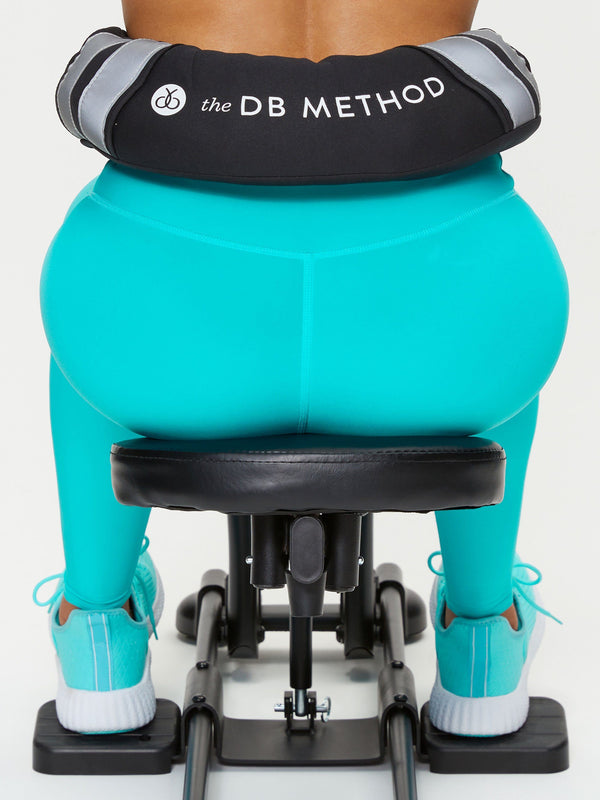
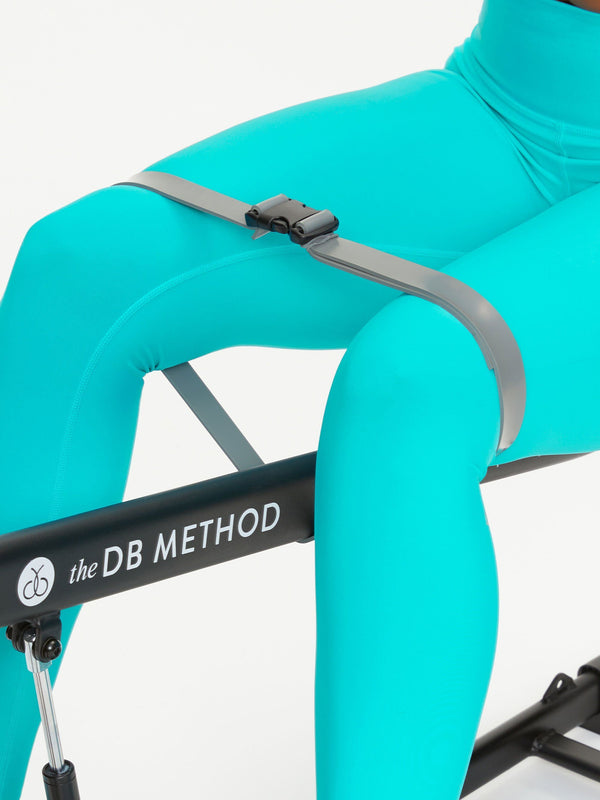
Sticking to progressive overload is much easier when the movement feels consistent and repeatable. The DB Method squat machine is designed to guide your squat form so the glutes stay the focus, while keeping the movement low-impact and easier to repeat regularly.
A few design details help with that. The handrails encourage you to shift your weight back, the angled footramps help activate the posterior chain, and the tension rod adds adjustable resistance as you progress. It’s also convenient for home workouts thanks to foldable storage and built-in wheels.
For extra guidance, The DB Method on the Playbook app includes form videos and guided workouts. If you have pre-existing joint conditions, it’s always best to consult a doctor before starting.

Build a Bigger Booty Workout You Can Stick To

Ditch workouts that leave you sore for days but give you nothing to measure. Go for sessions you can repeat week after week, log your progress, and build on.
Keep the plan simple. Hit two lower-body sessions each week, stay with them for 4-6 weeks, and pay attention to the small wins. One more rep, cleaner form, or a little more resistance all count. That is how a bigger booty workout turns into real progress.
Explore The DB Method Squat Machine and make it easier to keep your glutes front and center.