Your butt does not need more random exercises. What it really needs is for your body to stop cheating reps with quads, momentum, and lower back. That is why butt lifting can feel frustrating even when you are working hard and staying consistent. The effort is there, but the glutes are not always doing the job.
The good news is that the fix is not complicated. It comes down to a few simple form cues that quickly change where you feel the work.
In this blog, you will learn the glute squeeze cues and the hip back cue that help your glutes actually do the work. By the end, you will have a simple cue stack you can return to every time you train your lower body.
60-Second Check for Better Butt Lifting
Pick your phone for two quick clips, one straight from the side and one from a slight back diagonal. That makes it easier to catch when your hips are not going back, your ribs flare out, or your knees sneak too far ahead.
Next, check your foot pressure. Think about keeping your weight spread across three points: the big toe, the little toe, and the heel. This tripod foot keeps you stable and helps keep the glutes engaged.
During the set, ask yourself a simple question at rep 3 and again at rep 8: where do I feel the work? This helps you catch compensation early.
Pro Tip: If a cue does not change the feeling within two reps, switch cues instead of forcing it.
3 Form Cues That Make Glutes Do the Work
A good cue stack should immediately change how the rep feels. When the cues click, butt lifting stops feeling confusing and starts feeling controlled.
Cue 1: Stack Ribs Over Pelvis First
Before the rep, gently exhale to bring your ribs down and lightly brace your core. Then move. This helps your glutes extend the hips without the spine taking over. You should feel your abs switch on like a wide belt, and your lower back should stop feeling like the hinge point.
Cue 2: Use the Hips Back Cue Correctly
The hip back cue is not about folding forward. Let your hips travel back while your chest stays proud and your spine stays neutral. A simple drill is to stand a few inches from a wall and tap your hips back. Your shins can move, but your hips should still initiate the rep.
Cue 3: Glute Squeeze Cues Without Back Arch
Finish the rep by driving the floor away and bringing your hips through without leaning back. Pause for 2 seconds at the top, then squeeze your glutes while keeping your ribs down. If your back jumps in, cut the range a bit, slow it down, and reset.
Form Fixes for Every Lower-Body Move

Our goal here is to clean up the form of movements you already do for butt lifting. Each one follows a simple structure: setup, two cues, two quick checks, and one easy fix if things start to drift. Each move ends with what you should feel, so you know right away whether the rep is landing where it should.
Squat Form
A good squat for butt lifting starts before you go down. The setup determines whether the rep lands in your glutes or shifts elsewhere.
Setup:
- Start in a stance that feels steady.
- Root your foot through the big toe, pinky toe, and heel.
- Stack ribs over the pelvis.
- Start the rep by pushing your hips back and down, without letting your knees jump ahead first.
Form Cue Stack: Ribs down and sit between your heels.
Quick Form Checks: Heels stay planted, knees follow your toes, and by rep three, you feel your glutes and outer hips working.
Form Fix: If you feel the squat mostly in your quads, pause at the bottom, reset your foot pressure, and send your hips back sooner on the next rep.
If the form starts drifting under fatigue, use The DB Method Glute Machine to help guide your posture and keep reps consistent.
Hip Hinge Form
The hip hinge is one of the fastest ways to teach your glutes to load and finish the rep without your lower back taking over.
Setup:
- Stand tall with soft knees and a long, neutral spine.
- Stack your ribs directly over your pelvis and lightly brace your core.
- Keep your chest proud as you begin the movement.
- Send your hips straight back, like you’re gently closing a car door behind you.
- Stop when you feel a stretch in your hamstrings, keeping your spine long and neutral.
Form Cue Stack: Keep your shins as still as you can and let your hamstrings load like a stretch. Once you feel that stretch, stand tall by driving your hips forward to finish with your glutes.
Quick Form Checks: Your back stays neutral, your neck stays relaxed, and your glutes finish the rep without any back lean.
Form Fix: If your hamstrings take over, cut back on the range, reset your ribs, and then go deeper.
When the hinge is right, you should feel tension build through the back of your legs, and your glutes finish the movement cleanly.
Bridge and Thrust Form
Bridges and hip thrusts work best when the top of the rep comes from the glutes, not from pushing your ribs up and arching your back.
Setup:
- Lie on your back with your feet flat on the floor and knees bent.
- Bring your ribs down and gently tuck your chin.
- Press through your heels to lift your hips up.
- Optionally pause briefly at the top, keeping ribs down and glutes engaged before lowering back down.
Form Cue Stack: Slight tail tuck, then squeeze your glutes for two seconds at the top while your ribs stay down.
Quick Checks: Your glutes are driving the rep, your low back stays quiet, and your hamstrings do not cramp early.
Form Fix: If you feel cramping in your hamstrings, bring your feet slightly closer together, lower the lift, and focus on tucking first before you squeeze.
For guided pacing and cues, many people love The DB Method on the Playbook app.
Lunge Form
Lunges get much more glute-focused when you stay organized through the torso and push the ground away instead of dropping straight into the front knee.
Setup:
- Start with a small forward lean from the hips.
- Keep your ribs stacked over your pelvis.
- Plant your front foot firmly so the rep feels stable.
Cue Stack: Push the floor away and drive through your heel and midfoot.
Quick Checks: Your knee tracks over your toes, your pelvis stays level, and you feel more glute and outer-hip work than quad burn.
Form Fix: If your front knee is taking over, shorten your stride or lower the step height to keep your glutes in the game.
When the rep is set up well, lunges should feel steady, controlled, and glute-driven instead of wobbly and knee-heavy.
The goal with all of these moves is the same: cleaner reps, better glute tension, and less compensation from everywhere else. You do not need a huge overhaul. You just need a setup and a cue stack you can repeat.
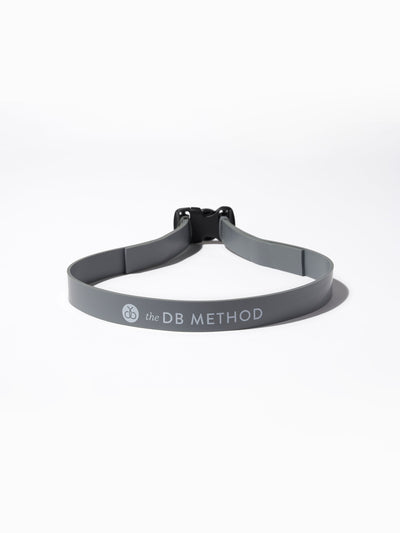

Why The DB Method Helps Reps Stay Consistent
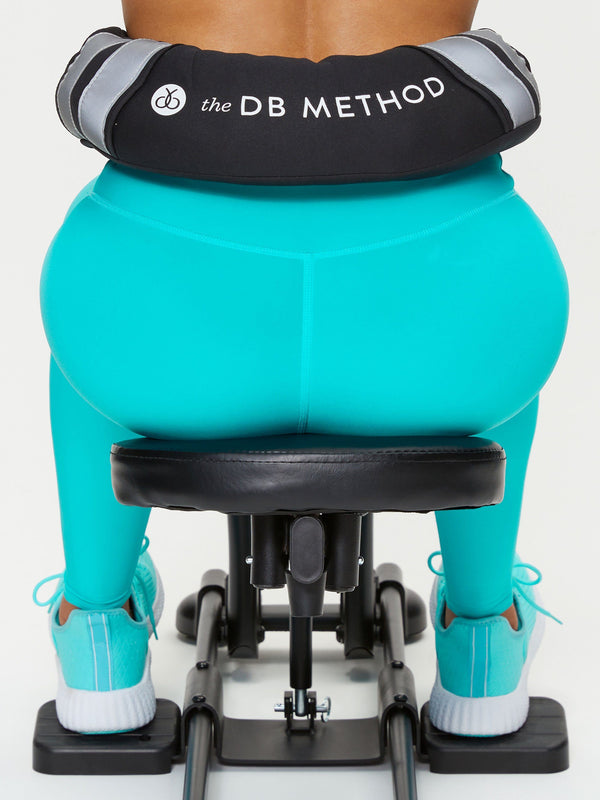
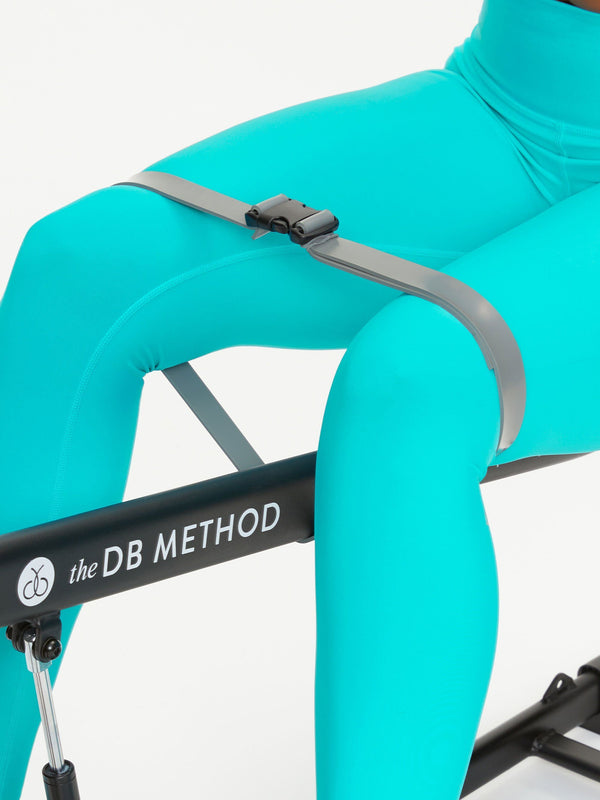
If you want butt-lifting sessions that feel more consistent, having some built-in form support can make a big difference. The DB Method Squat Machine is designed to guide squat positioning so the movement naturally shifts more effort into your glutes while staying low-impact.
Its assisted squat setup cuts out the balance wobbles, so you can hold a steady posture and zero in on the muscles you actually want firing.
Many people pair it with The DB Method on the Playbook app for extra guidance. The follow-along demos and structured sessions make it easy to stay consistent. If you like more structure, short, repeatable sessions help keep your reps clean every time.
Make Butt Lifting Feel Better Every Rep

The quickest way to better butt lifting is not adding more exercises. It is cleaning up the ones you already do, so your glutes stay involved from start to finish.
Stack your ribs over your pelvis, start with the hips back cue, and finish with glute squeeze cues without arching your back. That is when your glutes finally get to do the work.
If you want that perfect-form feeling to be easier to repeat, The DB Method Squat Machine makes it easier to stay consistent with every rep.