A lot of people treat glute workout frequency the way they treat laundry: once a week, big effort, hope for the best. Then they’re confused when their jeans fit the same, and their squat hasn’t moved in months.
Glute growth isn’t about finding one perfect number. It’s about creating a rhythm your body can actually repeat. Think stimulus, recovery, repeat, so the work you do this week builds on last week instead of just making you sore.
In this blog, we’ll break down how often to train glutes based on recovery (not hype), how to tell when you’re ready to go again, and two simple weekly glute plan options that make progress feel steady instead of random.
What Drives Growth Before You Change Frequency
Before changing glute workout frequency, here’s a quick reality check: workout frequency helps, but only if the basics are solid. Growth really comes from three things: consistent weekly work, slowly increasing the challenge, and solid recovery so you can come back for strong sessions.
Muscles love hard efforts that progress over time with real rest in between. Basically, give your body a reason to change and time to make it happen.
Hitting glutes more often works best when it splits your weekly volume into sessions you can handle well each time. Two or three solid, focused workouts usually beat one killer day that wrecks you for the rest of the week.
Glute Workout Frequency: 1, 2, or 3 Days a Week
Now that we’ve covered what actually drives growth, let’s answer the big question: if you want to train glutes, how often and what makes sense for your real life?
1 Day a Week for Maintenance or Restarting
One day per week works best for brand-new lifters, those with inconsistent schedules, or during seasons when recovery is limited. It’s an amazing re-entry point.
The downside is that if that single session is your only meaningful weekly stimulus, progress will usually be slower. A higher weekly volume split across sessions tends to support better glute growth than a single isolated effort.
2 Days a Week for Steady Progress
For most folks, this hits the sweet spot for glute workouts. You get enough action to build momentum without wiping out, which is ideal for real life.
Splitting the glute workout up helps you perform strongly and recover well. Go non-consecutive days, like Monday/Thursday, to show up strong for both sessions.
3 Days a Week if You Recover Fast
Three days per week works well for lifters who recover quickly and can maintain high-quality sessions. The extra day gives you more practice with key movements and more evenly distributed weekly work.
Just Add Guardrails: Keep at least one day lower fatigue, so higher frequency doesn’t turn into constant soreness and stalled progress.
Pick the highest glute workout frequency you can recover from while keeping your reps crisp and your effort honest.
Glute Recovery Time: When You’re Ready to Train Again
Once you understand your frequency options, glute recovery time becomes the filter that tells you which one will actually work. The real question isn’t “How sore am I?” It’s “Can I train well again?”
Use these simple checks before your next session:
- Your normal warm-up feels smooth, not stiff or guarded.
- Your first working set matches your usual reps and effort.
- You can control tempo and depth without hips shifting, knees caving, or your low back taking over.
- Soreness is mild and doesn’t change how you move.
- Sleep and energy haven’t been tanked for days after training.
-
You don’t need to “psych yourself up” just to get through basic sets.
As a general guide, novices often recover in 48-72 hours, intermediates may need a bit more strategic spacing, and advanced lifters adjust based on session intensity, but these are ranges, not guarantees.
Weekly Glute Plan Templates You Can Repeat

Once your glute workout frequency makes sense on paper, the real win is turning it into a weekly glute plan you can actually stick with.
2-Day Weekly Glute Plan
If you’re wondering how often to train glutes without burning out, this is a dependable baseline.
- Day 1 (Strength-Focused Session): Higher effort, longer rest, and fewer total movements. Think quality sets where you push close to your limit with clean reps.
- Day 2 (Volume/Quality-Focus Session): Slightly lighter effort, more controlled reps, and a stronger focus on smooth technique. You should finish feeling worked.
Space workouts on non-consecutive days, like Monday/Thursday or Tuesday/Friday, so you recover fully and keep crushing it. Spreading sessions will help you stay strong all week.
3-Day Weekly Glute Plan
This option increases glute workout frequency while respecting glute recovery time.
- Day 1 (Heavy/Effort Day): Your highest output session of the week.
- Day 2 (Technique and Pump Day): Lower fatigue, cleaner reps, shorter rests. Think practice, not punishment.
- Day 3 (Moderate Day): Challenging but repeatable, not a second heavy day.
A go-to is Monday/Wednesday/Friday, but tweak it if your body needs extra recovery days.
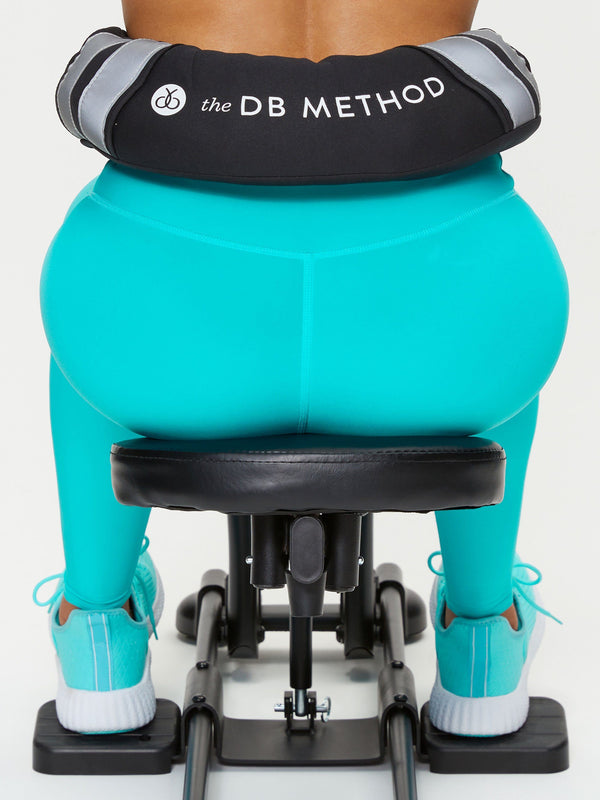
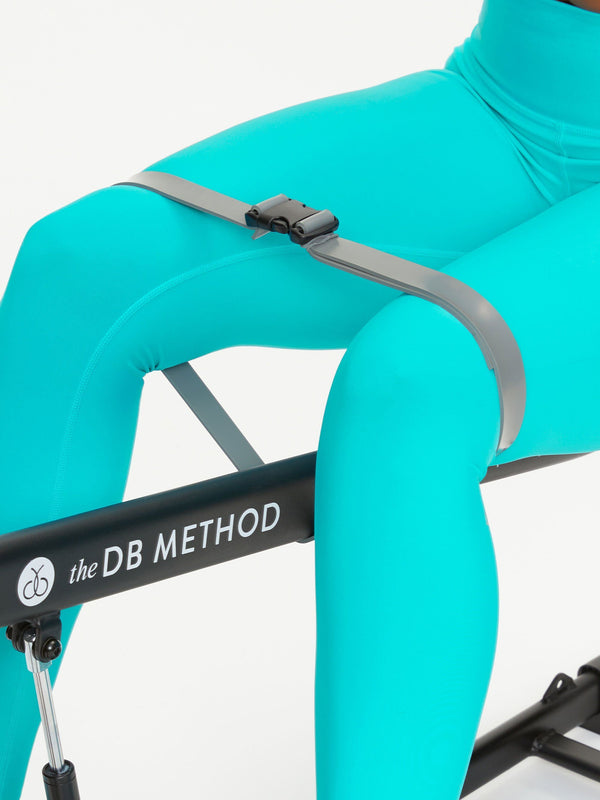
If you train at home, something guided, like The DB Method Machine, keeps your squat form steady week after week, even when fatigue creeps in. If you’re short on time, quick stacked sessions make higher-frequency doable without being draining.


How To Adjust Frequency When Progress Stalls
Once you’re consistent with your glute workout frequency, the next skill is adjusting based on results and real glute recovery time. More days aren’t always the answer. Use these adjustment levers in order:
- Improve Session Quality First: Keep the same training days, but clean up the effort and execution. Are you truly pushing close to your target reps? Is your form correct? Better reps often unlock progress without changing frequency.
- Fix Recovery Before Adding Work: Recovery supports adaptation. Look at sleep, session spacing, and whether you’re piling on junk volume that adds fatigue without results.
- Add Frequency Last: Only add a third day if you're still performing solidly. If your strength holds (or climbs) and you feel ready, bumping up frequency totally works.
That way, your weekly glute plan grows with your recovery instead of working against it.
Build a Weekly Glute Rhythm You Can Stick With

Now that you've got your sweet-spot glute frequency and a solid weekly plan, pick the version you can actually stick with.
Go for the 2-day plan if you want balance and easier recovery. Pick the 3-day plan if you bounce back fast and want extra reps. Then run it steadily for a few weeks, with no tweaks until then.
If you train at home and want more built-in guidance, explore The DB Method Machine to make your squat-focused sessions easier to repeat.