When progress hits a wall, most people figure they've got to pile on more: extra weight, more reps, those brutal burnout sets. It feels like real work and discipline.
But here’s the hard truth behind most glute workout mistakes: if your glutes aren’t actually doing the work, adding “more” just strengthens the wrong pattern. You don’t build better glutes; you build better compensations.
In this blog, we’ll break down the most common reason people end up training their glutes wrong, how to spot the signs early, and a simple fix you can use every session, so your effort finally goes where it’s supposed to.
The Real Glute Workout Mistake: Load Misses the Glutes
Before we fix anything, we need to see what this looks like in real workouts, because most glute workout mistakes do not feel obvious in the moment.
You push for harder sessions, add weight, and chase fatigue, but your body quietly shifts the effort elsewhere. Quads take over in squats, hamstrings cramp in bridges, and your lower back starts helping every time you extend your hips.
This is what training glutes wrong often looks like. The movement is there, but the load is not truly landing on the glutes. Hip extension turns into low back effort.
Glutes are built to drive hip extension and control rotation. When they do not contribute well, mechanics change. The result is a workout that feels productive but doesn't provide the glute stimulus you think it does.
Signs You’re Training Glutes Wrong
Once you can recognize the signs, you stop guessing and start making clean adjustments. Most cases of training the glutes incorrectly follow the same patterns.
- Your hamstrings cramp up first on bridges, hinges, or kickbacks.
- Your low back hustles harder than your hips in squats or hinges.
- Your quads jump in too soon, especially when going deeper or when you're tired.
- You finish a hard glute session, sore everywhere except your glutes.
- Your knees cave inward, or your pelvis shifts, drops, or tilts as effort increases, often pointing to common glute activation mistakes.
None of these means you are broken. They simply show the load is drifting away from the muscles you are trying to train.
Why Glute Activation Mistakes Keep Happening
That's why this tops the list of common glute workout slip-ups, and it shows you exactly how to fix it.
- Your Alignment Is Off: If your pelvis tips forward or wobbles, your glutes struggle to fire clean hip extension. Your low back or hamstrings jump in to compensate, and the whole pattern drifts away from your glutes
- Your Setup Shifts the Load: Small changes in stance length, foot pressure, depth, and torso angle can dramatically change recruitment. Many glute activation mistakes are really setup mistakes.
- You Rush the Rep: Rushing through or bouncing the transitions cuts the time your glutes stay under tension. Speed kills control, so other muscles swoop in to finish the move.
The good news is that each of these is fixable once you slow down and clean up the sequence.
Fix Glute Workout Mistakes With Reset, Activate, Load

Now we turn the diagnosis into a practical approach. If you feel like you have been training your glutes wrong, this three-step sequence helps you clean it up in a single workout. Think of it as a checklist you can repeat every session.
Reset: Stack Your Ribs and Pelvis First
Many glute activation mistakes start with poor positioning, so we clean that up first.
- Start with a brief alignment reset to help your ribs and pelvis stop working against each other.
- Use slow, controlled prep drills to help you feel your hips stacked under you, rather than drifting behind you.
- Keep the focus on position, not intensity, so your body can find the right setup.
The goal here is better positioning, not fatigue. If you rush this step, the rest of the session will fight you.
Activate: Get a Clean Glute Squeeze Before You Load
Once your position is cleaner, the next job is making sure your glutes are actually doing the work before you add load.
- Pick one or two easy glute activation moves where you feel a clean glute squeeze, not hamstring cramps.
- Move slowly and with control so you can feel where the tension is landing.
- Pause briefly at the squeeze to help your glutes stay engaged through the rep.
- Stop if tension starts shifting into your lower back or hamstrings.
This step should make the pattern feel clearer. Quality beats chasing burn every time.
Load: Keep Tension on the Glutes With Simple Cues
Now you can move into harder work and keep the same glute-first pattern.
- Lower slowly and with control, then drive up with focus.
- Push through your mid-foot, so the load stays where you want it.
- Finish the rep by driving the hips through while keeping your back straight.
- Let your knees track smoothly so your hips stay steady as effort climbs.
This is where a cleaner setup turns into better reps. Keep the tension on your glutes, and the work will go where it is supposed to.
When you reset first, activate with control, and then load the movement, your reps stay cleaner, and your glutes do more of the work.

A Glute-First Checklist to Stay Out of Old Patterns
A simple checklist makes the fix repeatable, and repeatable is what drives results. Most glute workout slip-ups happen when you wing it off memory or hype instead of a solid plan.
- Start each session by picking one key lower-body move and one activation drill that helps you nail the feel. Keep it simple and repeatable so your body learns the pattern.
- Focus on clean reps over grinding to failure once form starts slipping. When the technique goes off, so does the glute work.
- Track one or two cues per session, like a solid glute burn, a smooth knee path, or whether your low back tries jumping in. Do not rely on soreness alone.
If the glutes are not clearly doing the job, adjust your setup before adding load. Clean mechanics first, then progression.
A Home Setup Tip for Cleaner Reps When You’re Tired
Once you understand the fix, the real test is applying it when you are tired, and reps start to get sloppy. That is where many people slip back into training their glutes wrong.
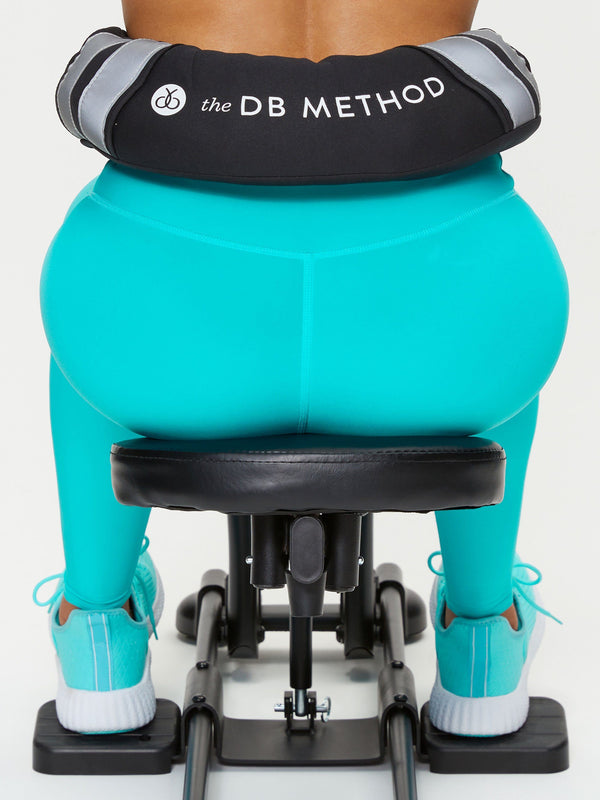
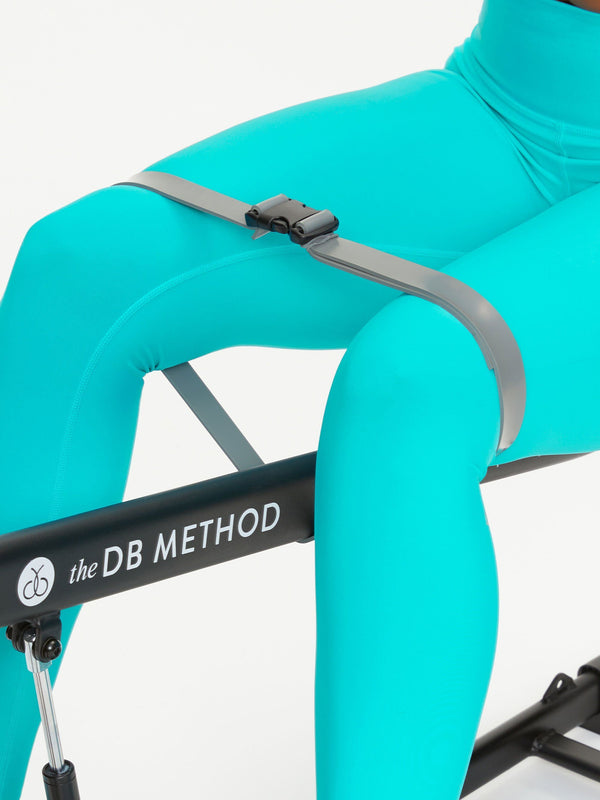
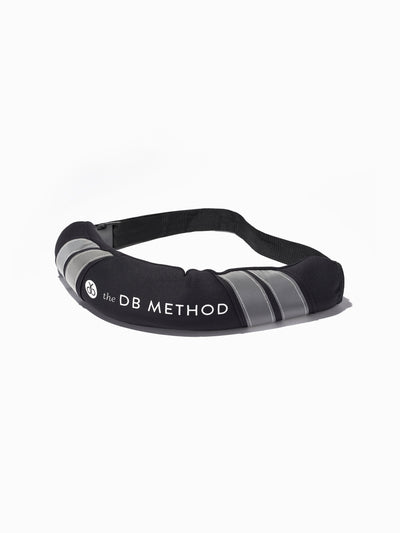
For home workouts, The DB Method Machine can help keep squats more controlled and repeatable from rep to rep. It is designed to guide your squat positioning, helping keep the focus on your glutes and reducing stress on your knees and lower back.
Think of it like a consistency hack. Go a bit slower, lock in cleaner alignment, and check if your glutes are really driving. When you’re fatigued, using a consistent setup can help you stay intentional about where you feel the work.
Make Your Next Glute Session Count
 Now, let’s turn everything you just read into something simple and actionable. Most glute workout mistakes are not about effort. They are about sequence and control.
For your very next workout, commit to one change. Reset your positioning first, activate your glutes second, then load the movement with control instead of rushing into heavy reps. Keep it that clear.
If you train at home and want a setup that supports repeatable, glute-focused squat practice, you can explore The DB Method Machine as a structured way to keep your reps consistent and glute-driven.